Omnilogic Labs
// TEACH

We leave with the work done. You keep how it was done.

Most engineering vendors hand you a system and a dependency. We hand you a system and a capability. Teach is the third of our three capabilities — alongside Build and Advise — and it runs through every engagement: your people learn to build with agents, develop against evals, and ship small, by doing the real work next to engineers who already operate that way.

When we leave, the software runs in production and your team knows which knob to turn. That is the deliverable.

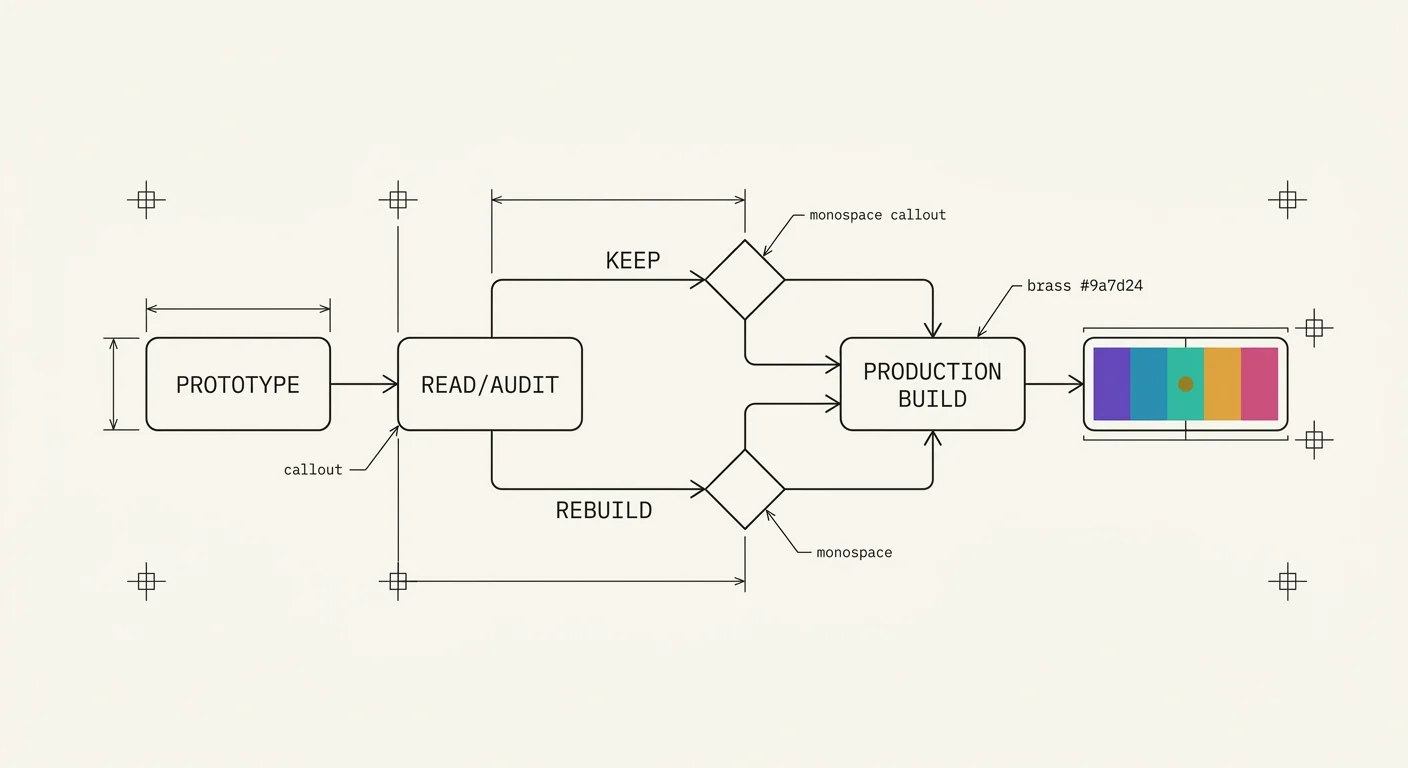
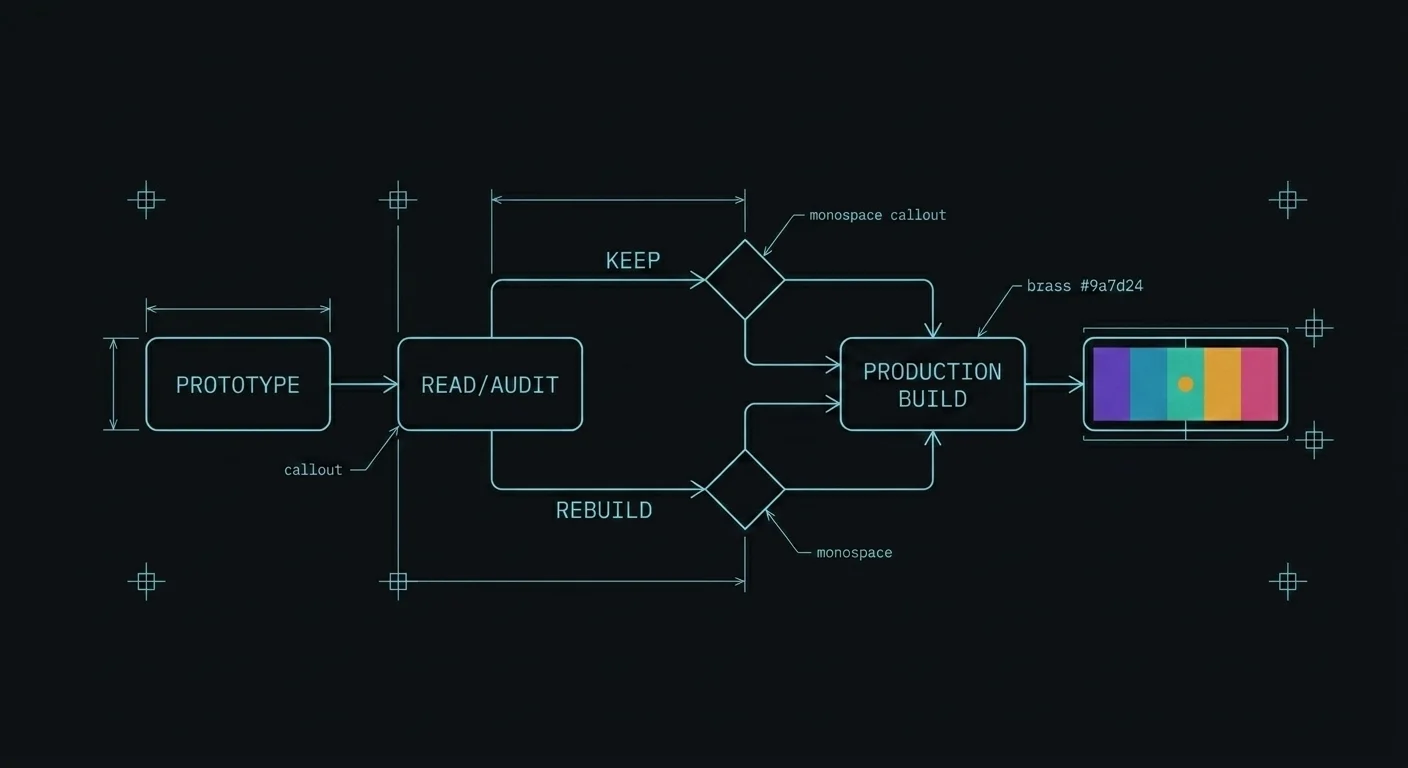
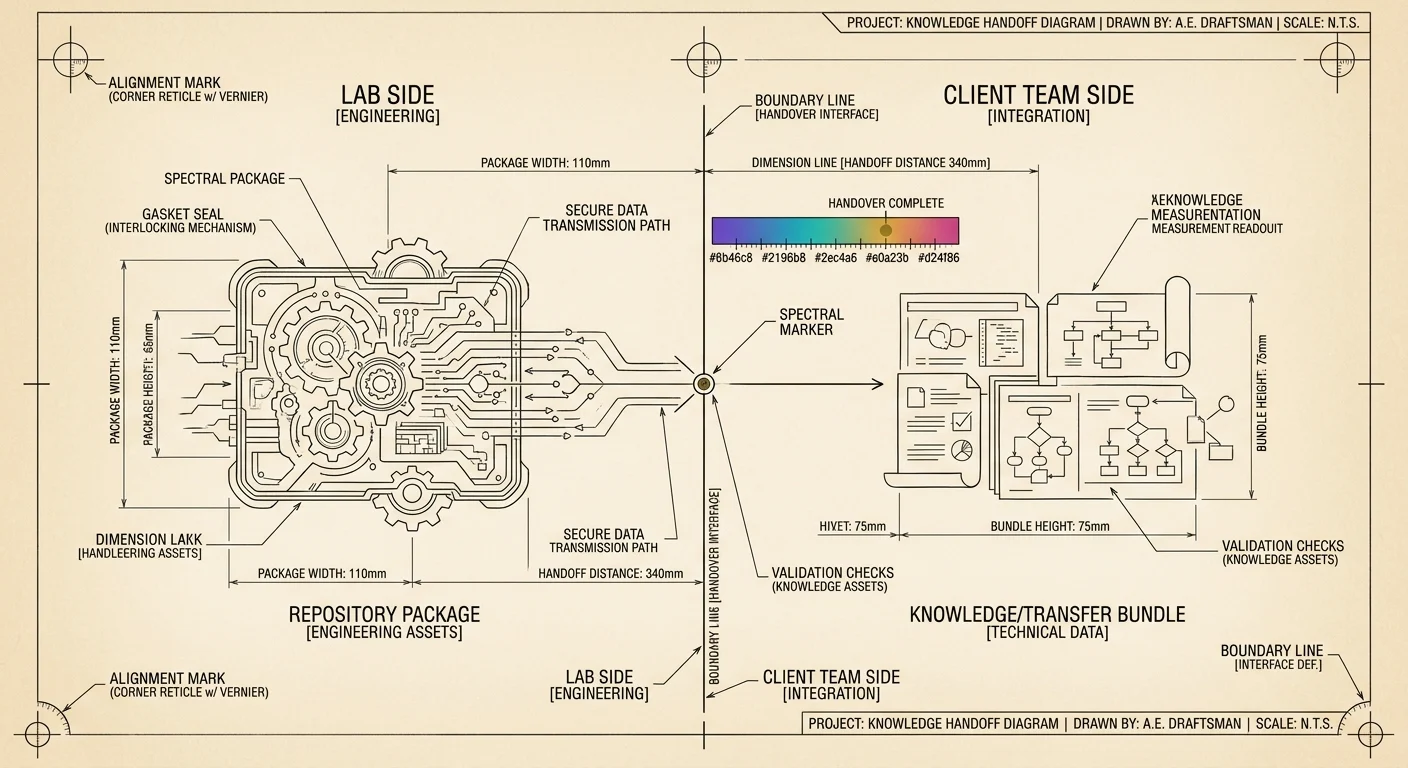
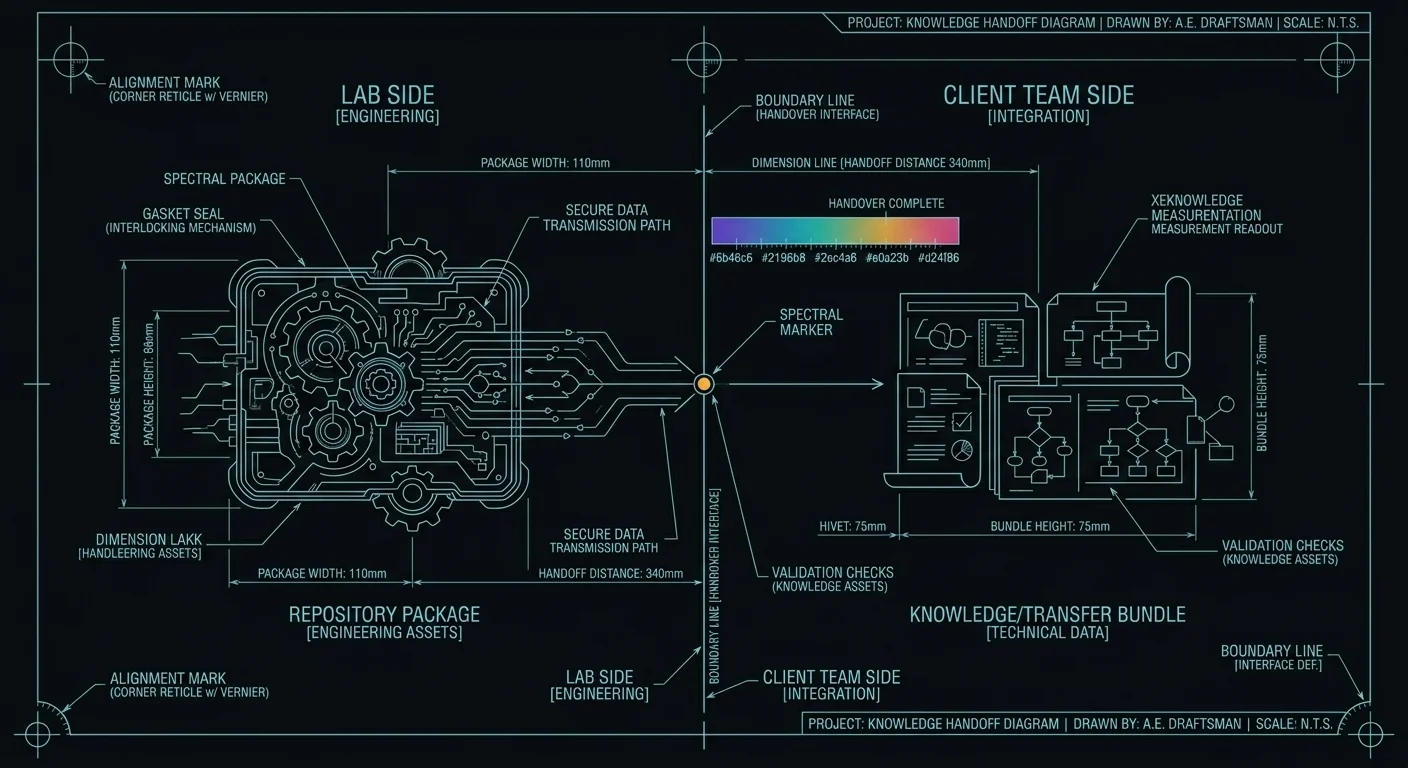
FIG. TRANSFER_BOUNDARY
REF: TEACH-00Repository and operational knowledge crossing a boundary from our team to yours
01 // FORWARD ENGINEERING

Build alongside us, not just receive from us.

For teams that want to grow their own capacity, we offer forward engineering: we embed engineers with your people to build micro-apps and internal tools directly against your real workflows. You get working software, and your team gets the practices — by doing the work, not by sitting through a course.

This is Teach and Build in the same motion. The fastest way to learn how to ship with agents is to ship something real with people who already do.

MODEL: EMBEDDED ENGINEERS // YOUR WORKFLOWS // YOUR REPO
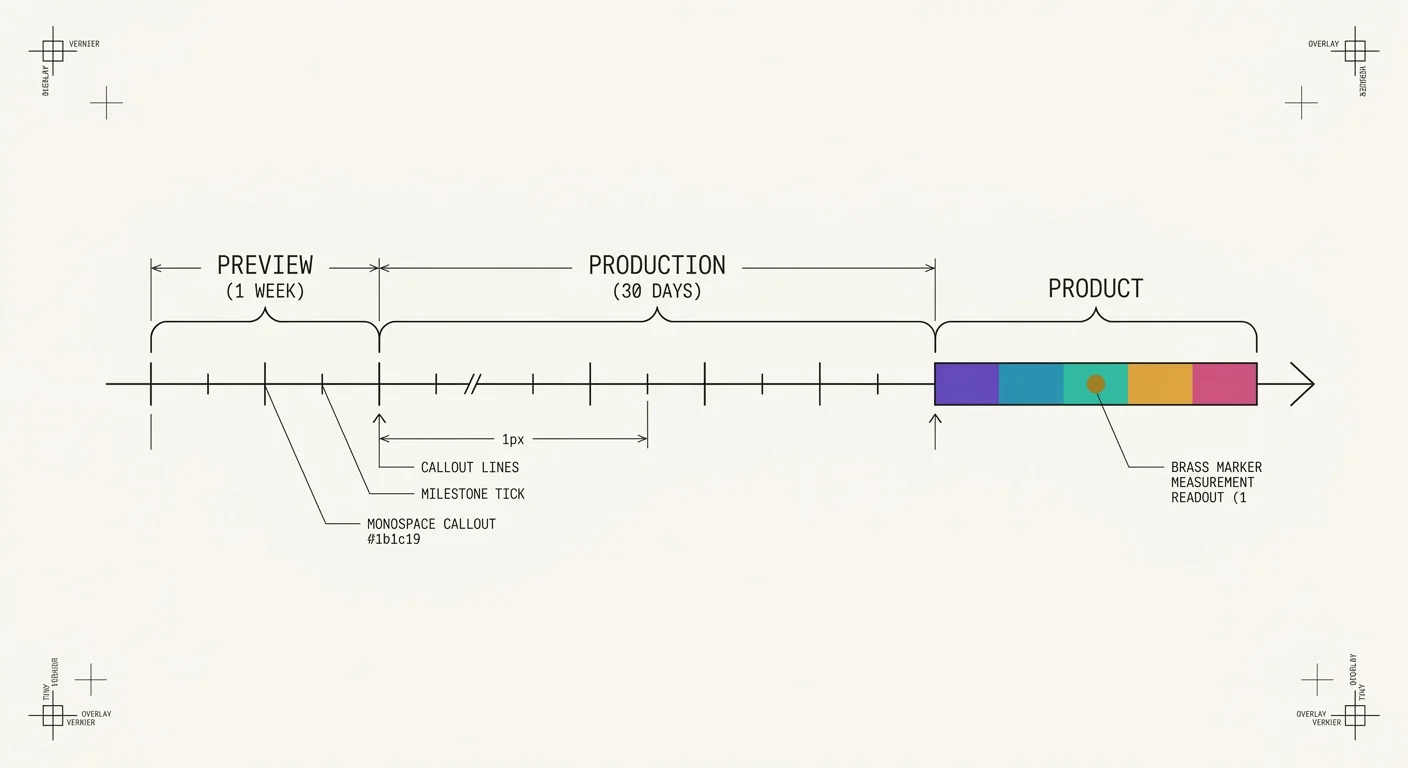
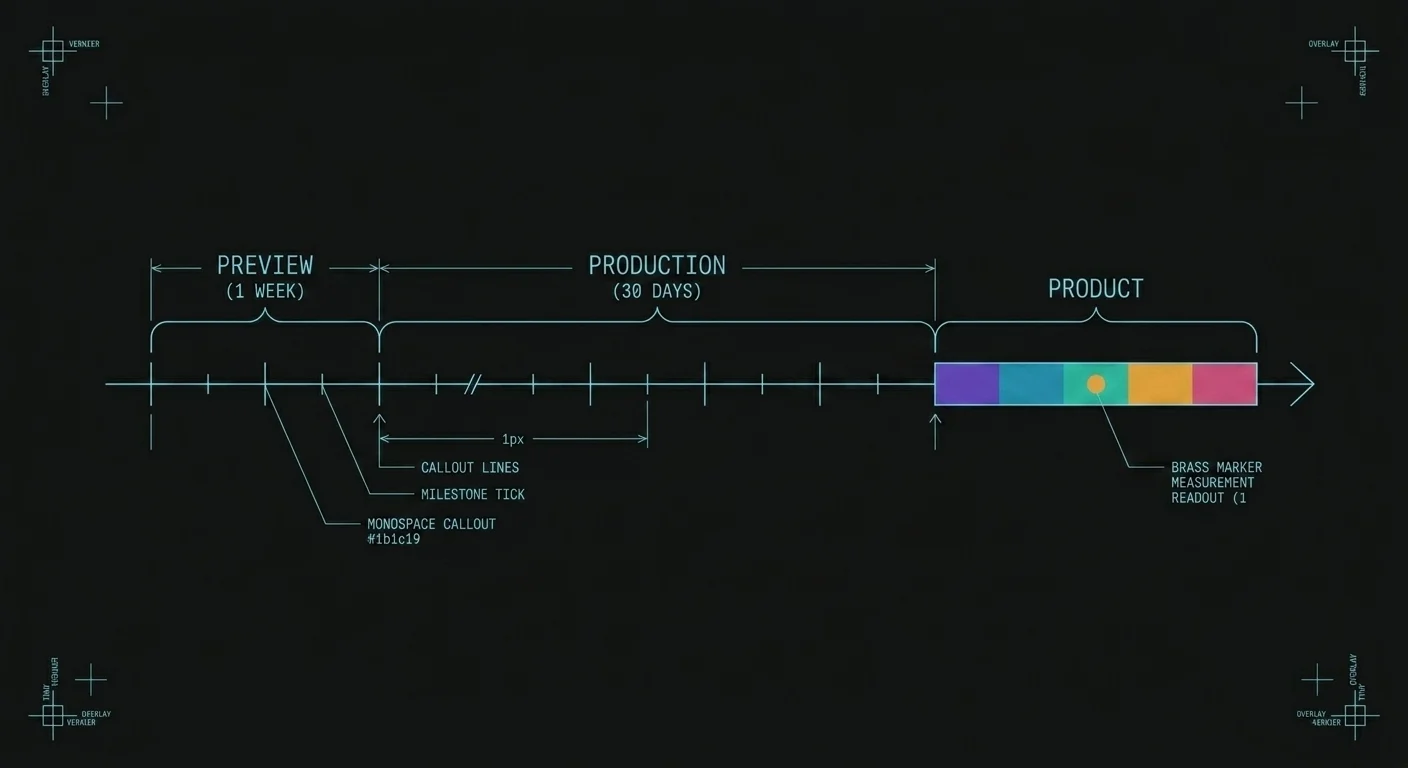
FIG. EMBEDDED_BUILD
REF: TEACH-01Engagement arc from preview to production to product, with the team building alongside

02 // THE PRACTICES

Three teachable disciplines, transferred by doing.

These are not framework facts that go stale next quarter. They are durable engineering instincts — the ones that let a small team move fast without breaking what matters.

REF: PRAC-01
smart_toy

Building with agents

Start from a primer, not a chat thread. Decompose the work into small numbered tasks, run agents in isolated worktrees, and keep a human at the gates. Your team learns to direct the machine instead of being surprised by it.

REF: PRAC-02
checklist

Eval-driven development

AI features are measured, not hoped at. Golden corpora, thumbs feedback, prompt tuning before fine-tuning — and the guardrail that automation never silently undoes a tuned prompt. Your team learns to treat model behavior as something to test.

REF: PRAC-03
commit

Shipping small

Break every large change into the maximum number of small, independently verifiable units. Easier to review, easier to roll back, easier to reason about when something breaks. Apply force precisely where leverage lives — in a diff as much as in a system.

03 // CLEAN HANDOFF

A clean handoff is a feature, not an afterthought.

The work is yours. We are an applied engineering laboratory, not a staff-augmentation body shop — our interest is in the foundation being sound enough that you can build the rest yourself. So we hand off the knowledge with the code.

REF: HANDOFF-01

Repo handover

Source, history, infrastructure config, and the primer and task files that produced it — handed over as a working, documented repository, not a black box.

REF: HANDOFF-02

Code escrow option

Where you want a contractual guarantee of continuity independent of us, we can place the codebase in escrow.

REF: HANDOFF-03

Operational transfer

We hand off how it is built, how to extend it, and how to run it — so your team is not dependent on us to keep moving.

04 // IN PRACTICE

FIG. SCENARIO_LOOP
REF: TEACH-04A crisis simulation flow: situation escalates, team decides, the simulation reacts and recovers
REF: WORK-07
INDUSTRIAL MANUFACTURING // TEACH / BUILD

Crisis Simulation Training

Leaders at a Fortune 500 manufacturer face crises no slide deck prepares them for. We built an AI crisis-simulation pilot: a chat-based simulator with an AI 'crisis-master' that drives a developing situation and adapts to the team's decisions, roles assigned across participants, structured as a recurring program rather than a one-off event.

The craft was a crisis-master that escalates believably without railroading — unpredictable enough to be hard, realistic enough to be believed. We scoped it as a true pilot, with the development cost credited toward the full program, so it could be judged on real sessions before committing further.

  • Working pilot with two leadership scenarios
  • Multi-session program structure so learning compounds
  • Pilot-with-credit model — evaluate on real sessions first
SCENARIO SIMULATIONAI CRISIS-MASTERLEADERSHIP TRAINING

05 // NEXT

Build it once, together — then keep building it yourselves.

Teach pairs naturally with Build and Advise — embed engineers to ship real tools, recover a stalled prototype and transfer the rebuilt foundation, or run an AI-adoption program that leaves your team operating the new way on their own. Tell us where your team is, and we will tell you the smallest first step that proves it.

REF: TEACH-FIT
// WHO IT'S FOR
  • Teams that want to own the system, not rent the team
  • Leaders adopting AI who need their people fluent, not dependent
  • Organizations training under pressure, repeatably, at low cost
DELIVERABLE: WORKING SOFTWARE + A TEAM THAT KNOWS WHICH KNOB TO TURN