A Latin-American corporate-training company sold courses, but the moment before the sale was a guess. We turned the front of its own funnel into a product: a two-surface MVP that runs AI-led skills interviews, assembles them into a gap analysis, and maps the gaps straight onto the company's course catalog — with a clear hire-versus-train recommendation falling out the other end. White-label and multilingual from the start. Roughly thirty days end to end.

The company sold courses. But the question that should precede every sale — which skills a workforce actually has, where the gaps are, and which courses would close them — was answered by slow manual interviews and intuition, when it was answered at all.
That is a noisy front end on an otherwise sharp catalog. The company wanted to replace it with an instrument: assess an organization's skills, identify the gaps, map them directly onto the course catalog, and hand a buyer a clear hire-versus-train recommendation. Turn the diagnostic from a cost of sales into the product itself.
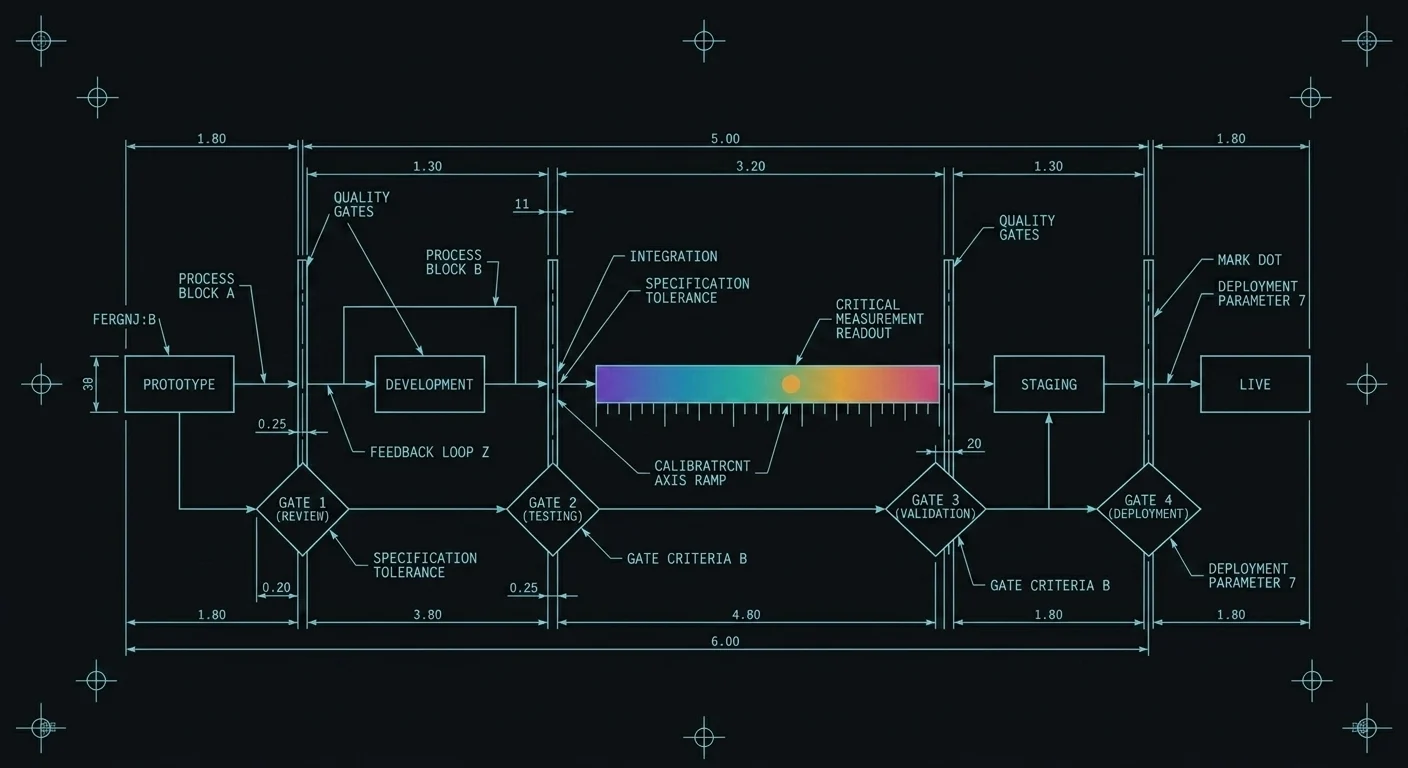
The design pairs the surface where signal is captured with the surface where it is acted on. An employee-facing interview produces structured signal; an executive dashboard aggregates that signal into a decision. Everything in between is a clean pipeline — capture, structure, analyze, map.
An AI-led skills conversation that feels natural to the employee while quietly producing structured, analyzable output. The interview is the sensor — it has to read as a conversation and write as data.
Campaigns, a skills library, reports, and cross-campaign analytics — the aggregate view a leader uses to act. The interview captures one person; the dashboard reads the whole organization.
The MVP runs the full path: AI-led skills interviews, assembled into a skills inventory and gap analysis, mapped to the company's own catalog. The diagnostic doesn't end in a report — it ends in a recommended path to enrollment.
AI-led skills interviews with employees, in their own language.
Results assembled into a structured skills inventory across the org.
Inventory read against need to surface where the gaps actually are.
Gaps mapped to specific courses, with a hire-versus-train call.

A thirty-day MVP forces ruthless scope discipline: enough product to be genuinely useful and demonstrable, and nothing built that the market hasn't yet asked for. The discipline isn't the hard part, though — knowing which knob to turn is.
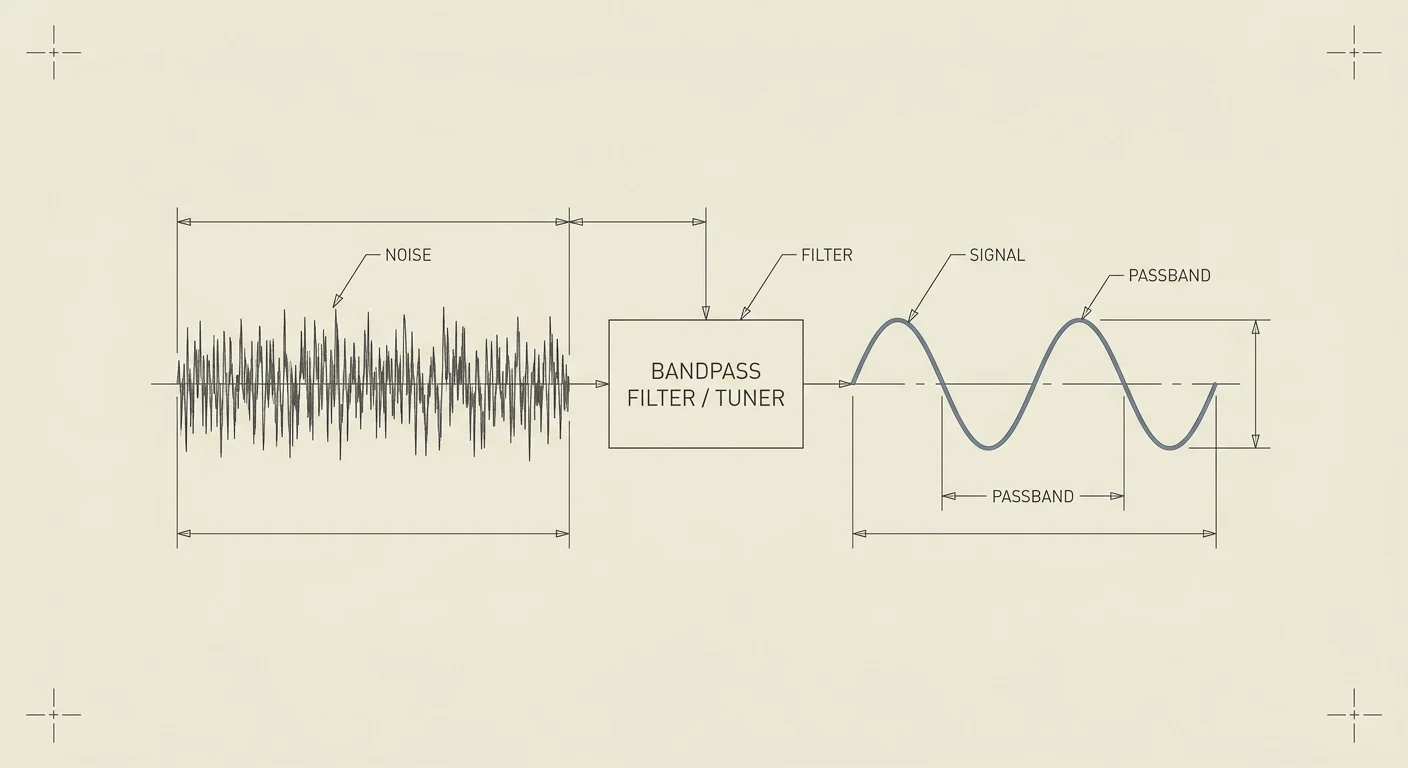
The substantive challenge was the interview itself. An AI skills conversation has to feel natural to the person answering it and, at the same time, yield structured signal an analytics layer can trust. Then that signal has to become a gap analysis credible enough that an executive will act on it. The interview and the analytics had to be trustworthy on day one — get either wrong and the whole diagnostic falls down, because nothing downstream is better than the signal feeding it.
AI skills interviews feeding an executive analytics dashboard, with skill-gap findings mapped directly to the client's course catalog and a hire-versus-train recommendation — delivered as a demonstrable, white-label, multilingual product.
Directional outcome: the front of the funnel became a product surface in its own right — a diagnostic that hands the buyer a defensible path to enrollment instead of a guess.
We build diagnostics that end in a decision, not a deck — and we ship them on a clock. Tell us what the moment before your sale looks like, and we'll find the signal worth tuning to.