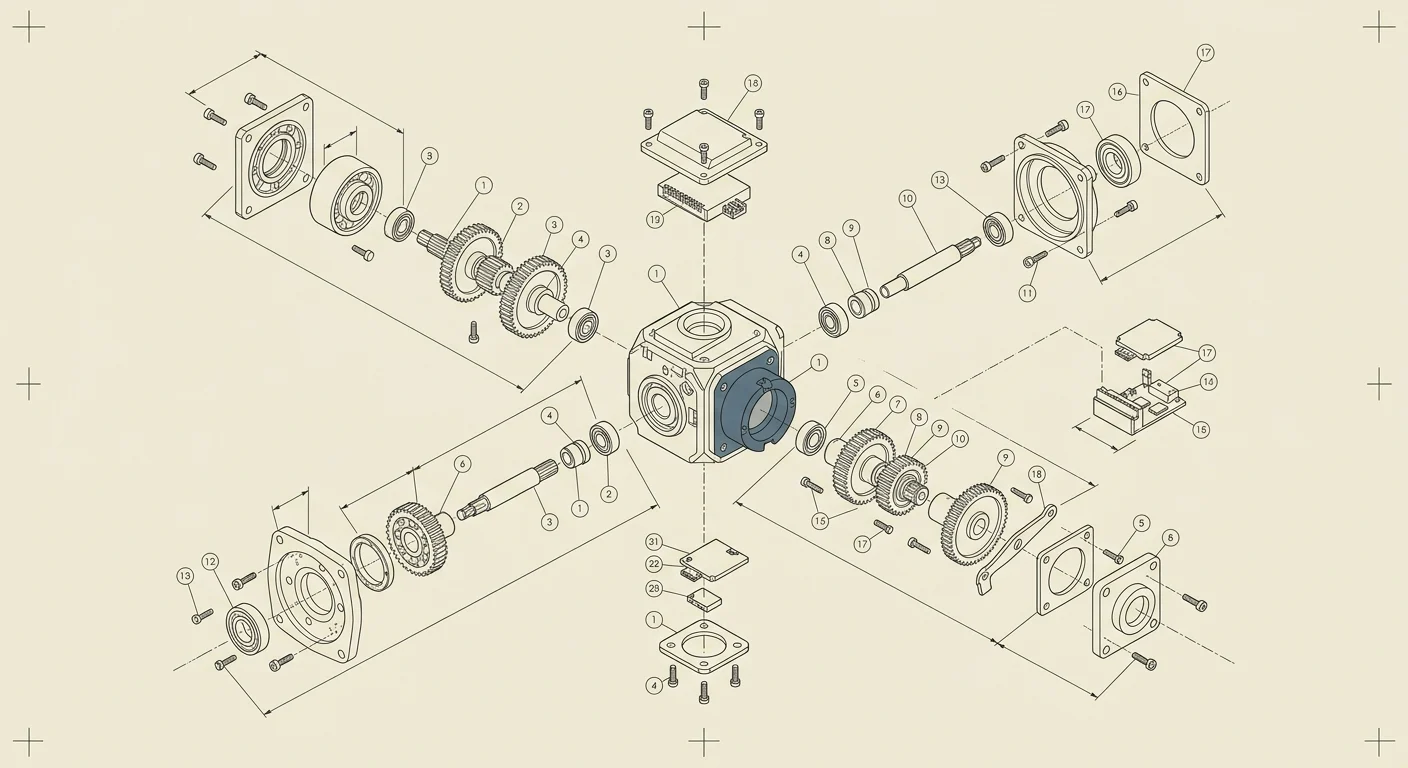
A global leadership-development and AI-adoption firm had a proven methodology at real scale — thousands of participants, well over a hundred workshops, programs running across four continents in eight languages. What it did not have was one system. The method had been prototyped as roughly two dozen standalone apps, with an ERP alongside for the business side. Powerful in pieces, unmanageable as a whole.
We consolidated it into a single multi-tenant platform organized around the firm's method — not around the accident of how each piece was first built — and migrated in phases so the firm kept running underneath the whole time.

The firm had everything except coherence. A methodology that worked, a global program that filled, a roster of trainers delivering it in eight languages — and underneath, roughly two dozen apps that had each been spun up to chase a single idea, plus an ERP carrying the business side.
No shared users. No shared content. No single place that was the product. Each tool was correct in isolation and useless as a whole: a participant in one app did not exist in another, the method lived differently in each, and there was nowhere to stand and see the firm as one operating system.

We designed a single multi-tenant platform to absorb the scattered prototypes and the ERP's relevant functions into one coherent system — organized around the firm's proprietary method rather than around the order in which each piece happened to be built.
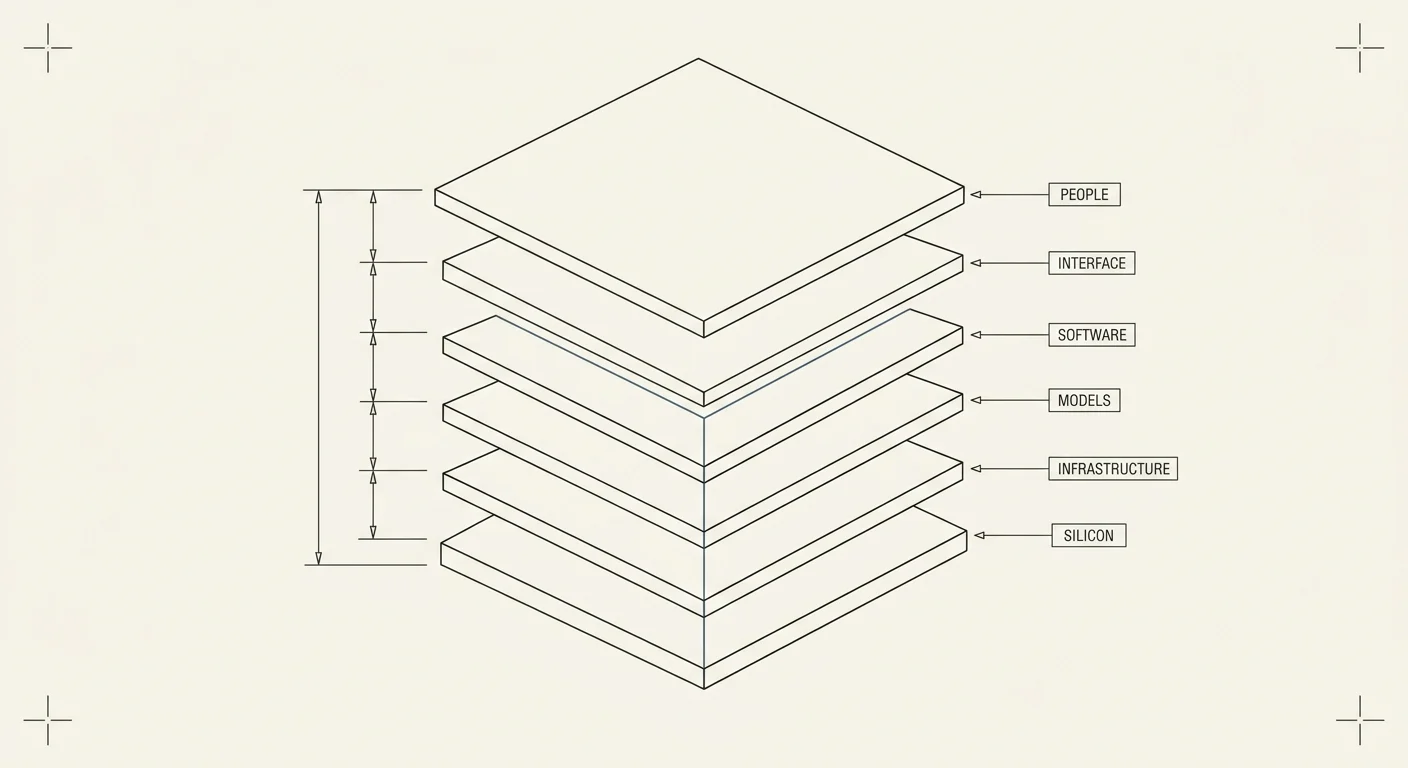
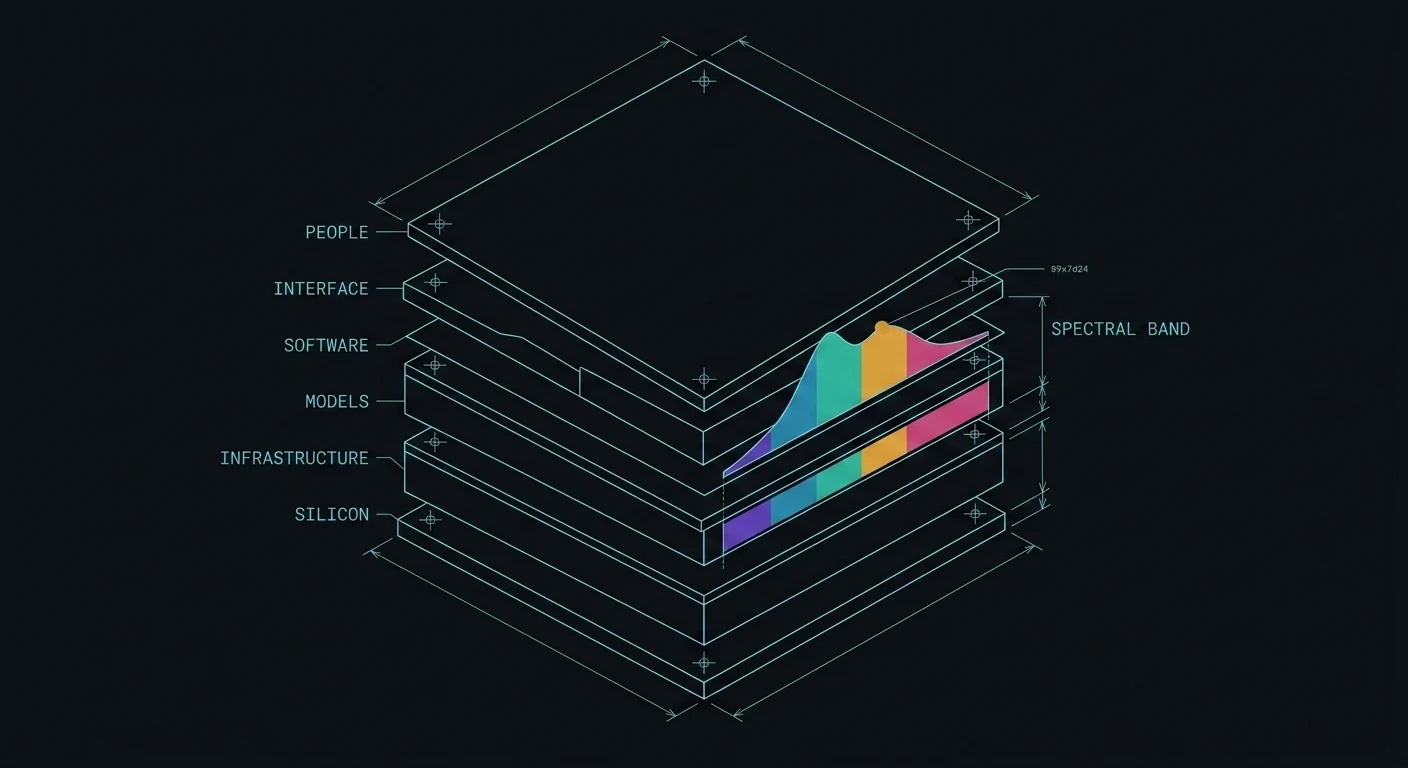
The architecture treats the platform as a company portal. Content management and user management are the spine; the firm's framework, the trainer-facing tooling, and program delivery are built on top of that spine. The whole thing serves three audiences at once — corporate buyers, a reseller and trainer network, and individual educators — under one tenancy model.
Where two systems needed to talk, we favored standard connectors over bespoke agents, so the platform stays maintainable as it grows rather than accreting a new layer of one-off glue.
Shared content and user management as the platform's backbone — one identity, one library, everything else hangs off it.
A data model that holds the firm's framework and trainer surfaces directly, rather than approximating it across two dozen schemas.
Standard, inspectable integration paths instead of bespoke automation — the kind of decision that keeps a platform maintainable at scale.
We scoped the work in phases — framework first, then the operational and trainer surfaces, then migration of the existing prototypes — so the firm keeps running while the platform comes together underneath it.
Model the firm's framework as the platform's core — the one structure all twenty-four shapes were really expressing — with content and identity underneath it.
Build the operational and trainer-facing surfaces on the spine — program delivery, the trainer network, and the business functions the ERP used to carry alone.
Migrate the existing apps and ERP functions into the platform, retiring each only once its replacement is live — disruption-free, at four-continent scale.

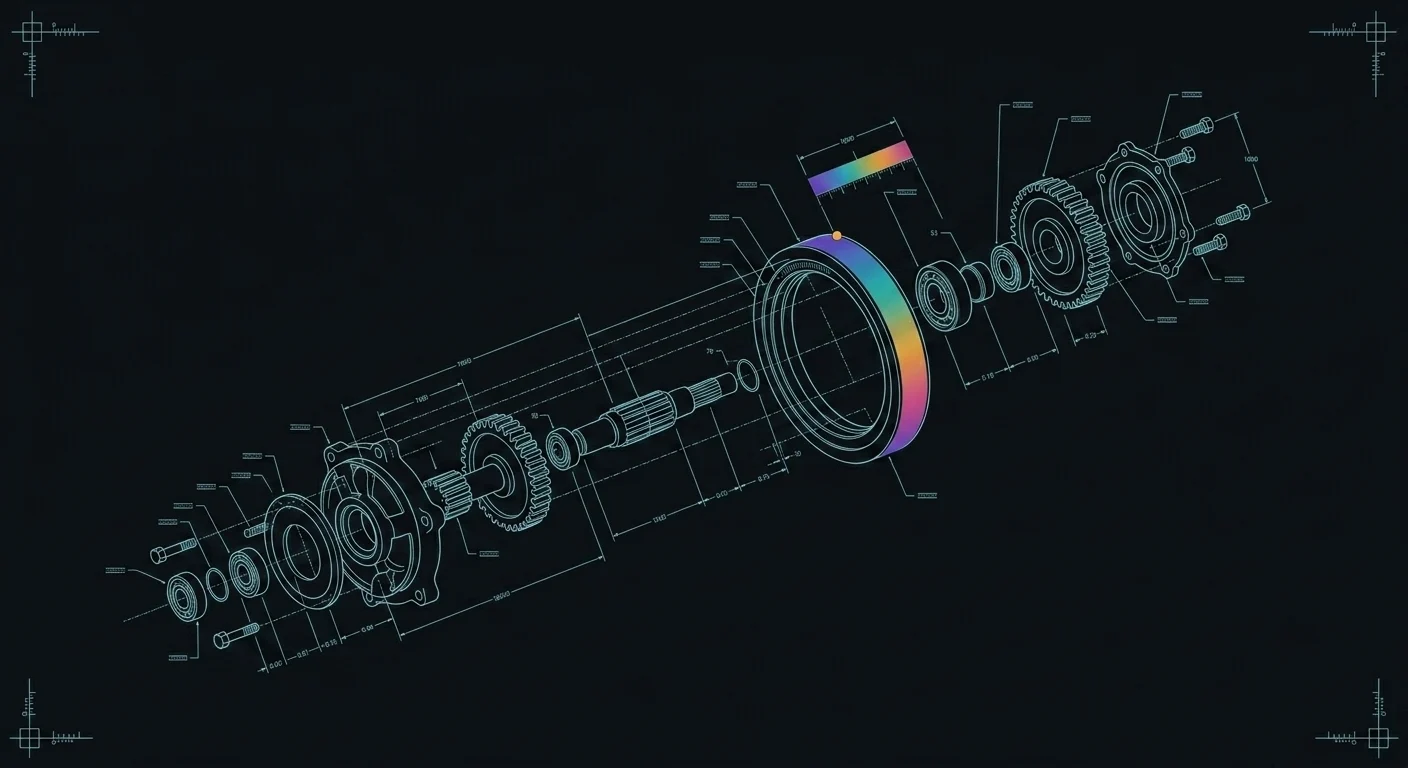
The difficulty in a consolidation like this is not building new features. It is honoring a methodology that already exists in twenty-four different shapes and finding the single model underneath all of them.
We had to reconcile the client's own product language with the structure their work had actually taken, then design a data model that could hold all of it without flattening what made the method distinctive. The temptation in every consolidation is to standardize the texture away; here the texture was the product.
And it had to happen without disruption. Migration at four-continent, eight-language scale — with thousands of live participants and a full workshop calendar — was the constraint that shaped every decision. That is the knob worth turning: not what to build, but in what order, so the firm never feels the floor move.

A single multi-tenant platform built around the firm's proprietary method, designed to carry its existing scale — thousands of participants and a global, multilingual workshop program — on one maintainable system.
The outcome figures here are directional, and the firm's method and identity are withheld by agreement. We're happy to talk through the architecture in more detail under NDA.
If your product is really two dozen tools in a trench coat, the work is not more features — it's finding the one model underneath and consolidating onto it without stopping the business. That is exactly the kind of knob we know how to turn.