Leaders at a Fortune 500 industrial manufacturer face crises no slide deck prepares them for — a supply-chain disruption, a workplace-safety incident — where the cost of a bad first hour is enormous. We built an AI crisis-simulation pilot: a chat-based simulator with an AI crisis-master that drives a developing situation and adapts to the team's decisions, with roles assigned across participants and the whole thing structured as a recurring program.
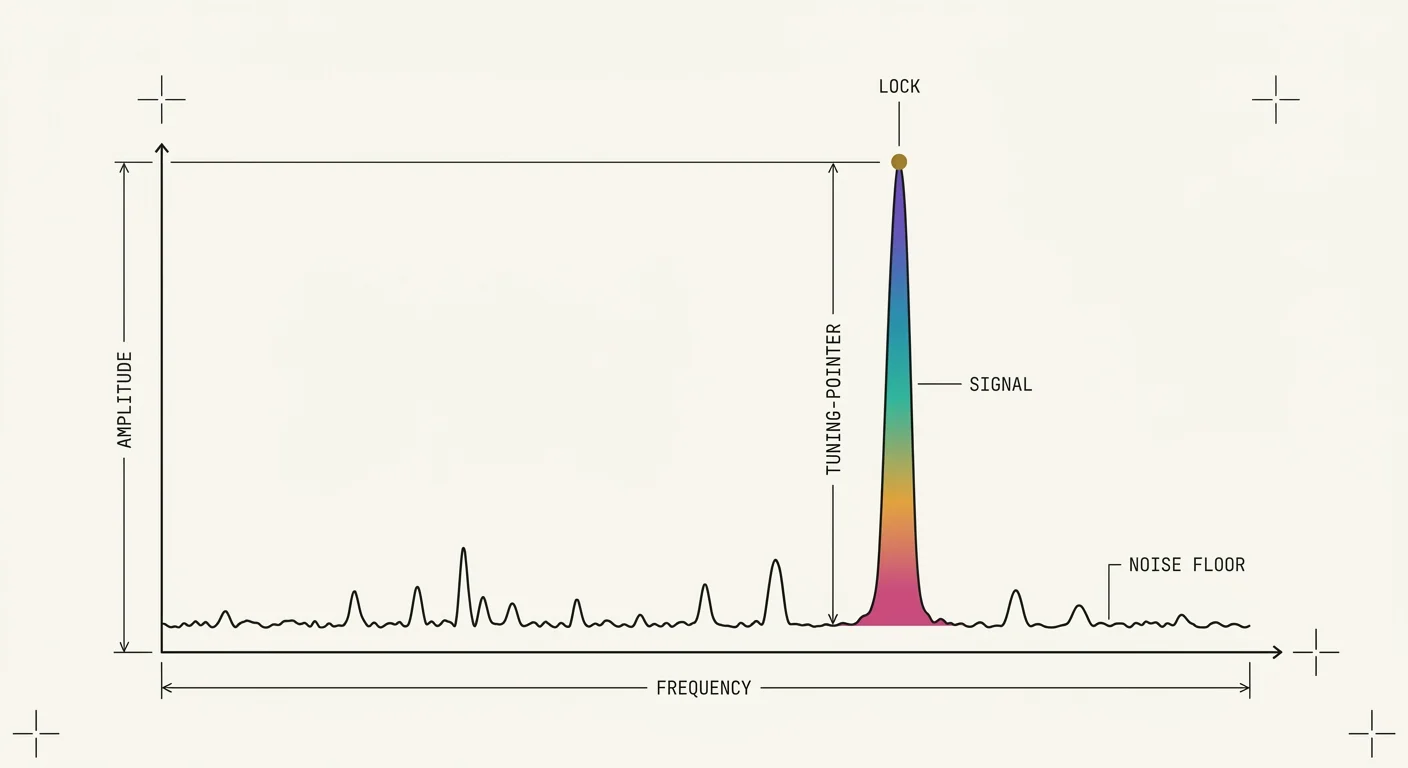
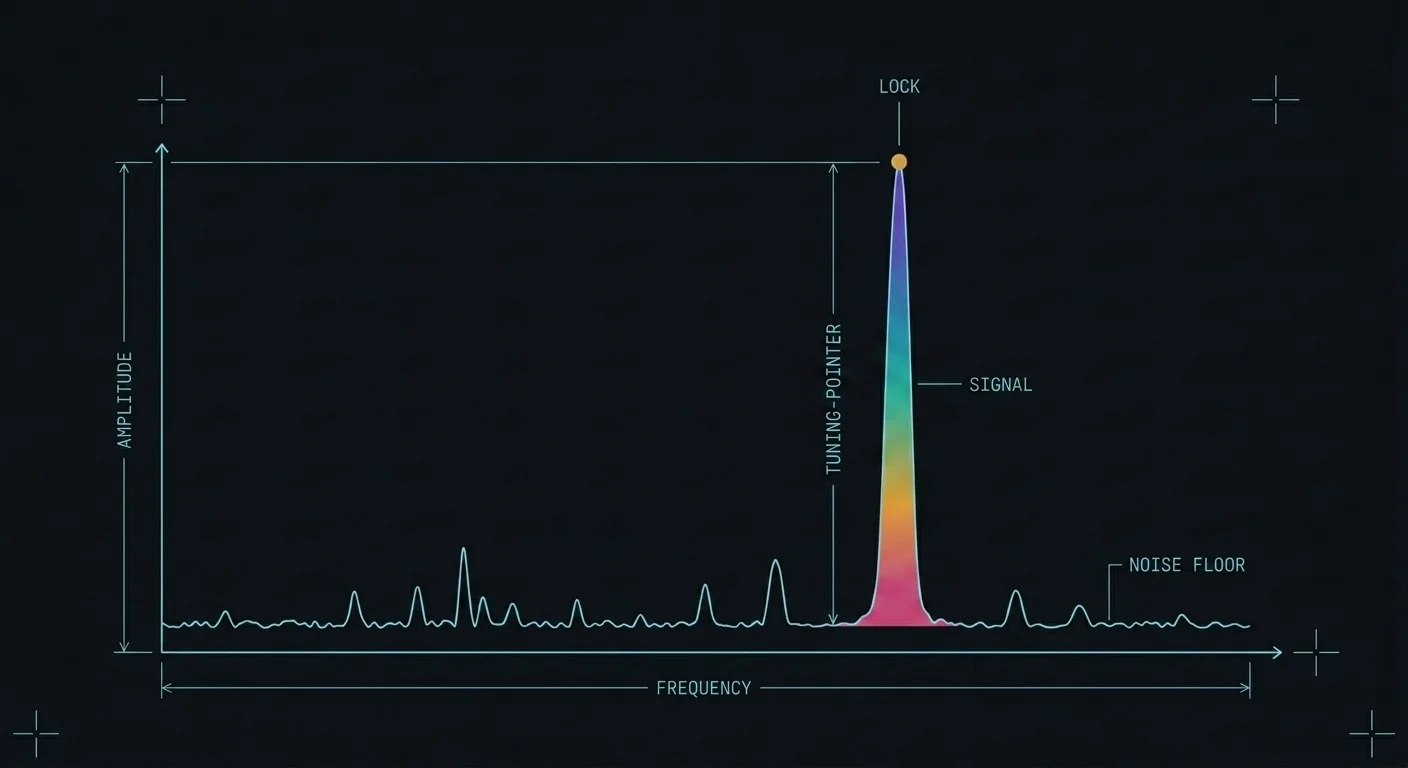
The craft was tuning to the right signal — a crisis-master that escalates believably without railroading, pedagogically deliberate yet genuinely uncertain in the moment.

Traditional crisis training is infrequent, scripted, and passive: you read the playbook in a room and hope it sticks when the plant floor is on fire. But a real crisis doesn't follow the deck — it develops, it surprises, and the cost of a bad first hour compounds.
The manufacturer wanted training that put leaders inside a developing situation and made them decide under pressure — repeatedly, at low cost — so the reflexes are built before the day they're needed.

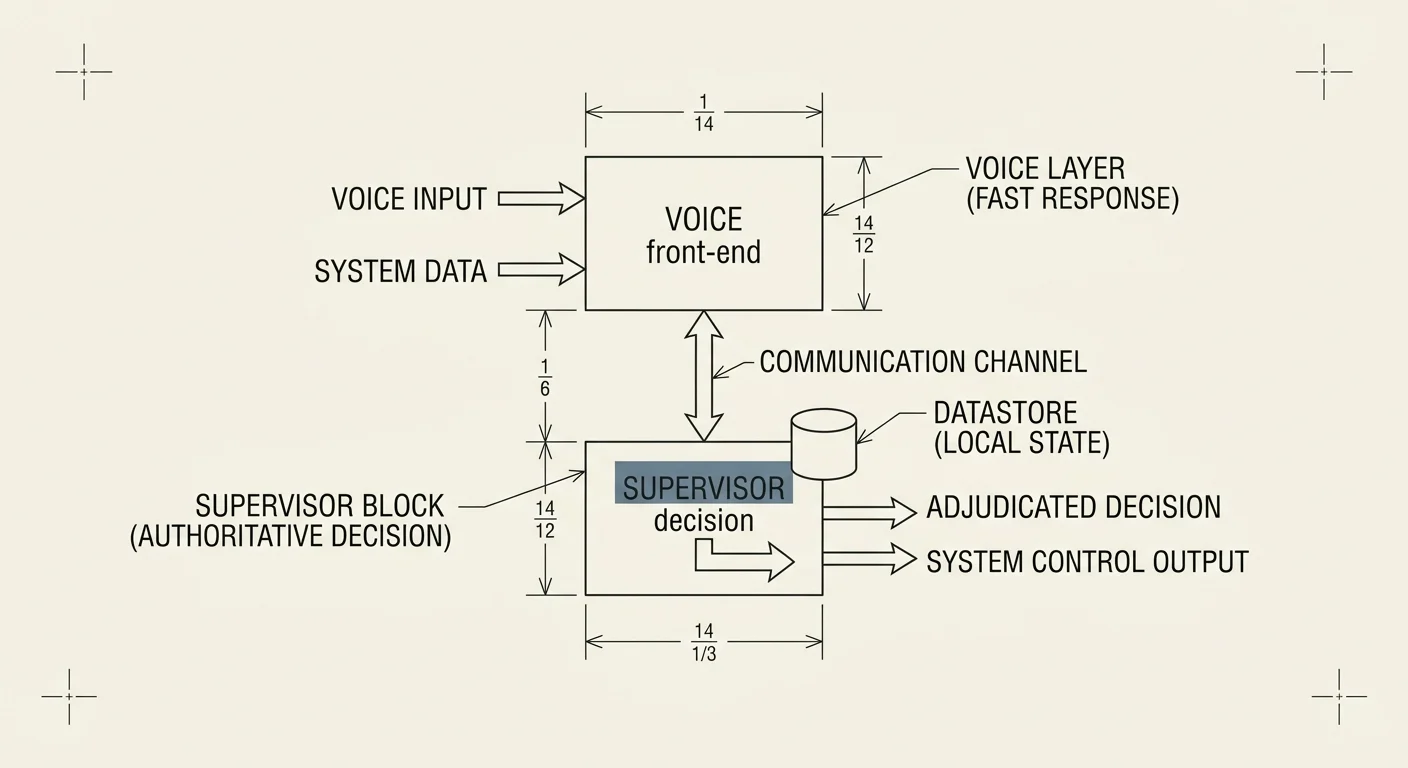
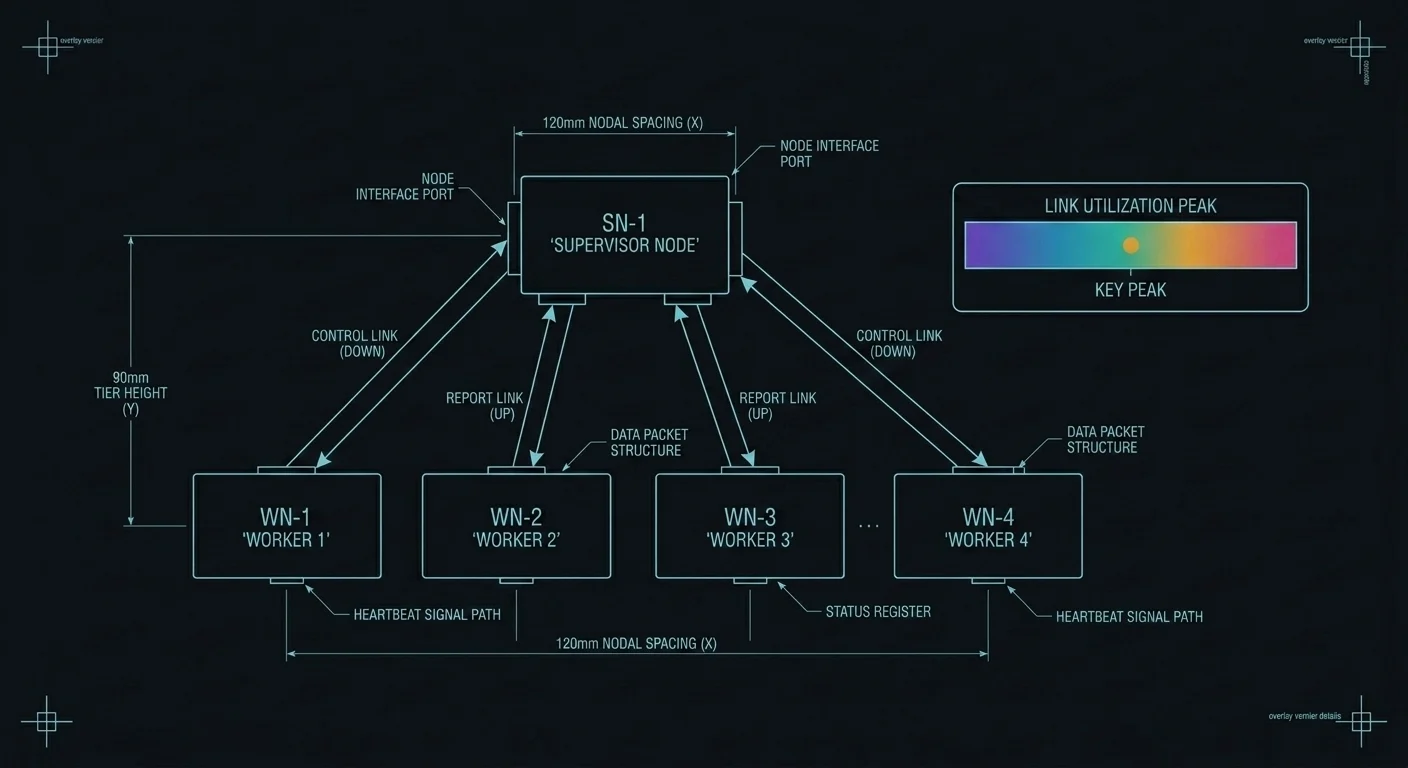
We designed a chat-based simulator built around an AI crisis-master: it drives a scenario forward, assigns roles across the team, and adapts the situation to the choices participants actually make. Instead of a fixed script with a known ending, every run is a live exercise that bends to the room.
We scoped it as a true pilot — a working technology preview with the dev cost credited toward the full program — so the manufacturer could evaluate it on real sessions before committing further. The whole thing was structured as a recurring program rather than a one-off event, so the learning compounds session over session.
Not a deck about training — a simulator leaders can sit down and run, with two leadership scenarios shipped in the pilot.
Drives the situation and reacts to what the team decides — introducing complications, pressure, and consequences so the exercise stays live rather than playing out a fixed script.
A supply-chain disruption and a workplace-safety incident — each designed to be pedagogically deliberate while feeling genuinely uncertain in the moment.
Structured as a series of sessions, not a single event, with roles assigned across the team — so reps accumulate and the learning compounds over time.
We scoped a working technology preview — shippable, runnable on real sessions — with the development cost credited toward the full program. That structure lets the buyer evaluate the thing itself, on their own crises, before committing to the larger build. Lower risk to start, and the pilot dollars aren't thrown away.
A simulation is only useful if it holds two things at once. Too scripted and it railroads participants down a known path — they stop deciding and start guessing what the trainer wants. Too loose and it stops being believable, and the room checks out.
The real work was tuning the crisis-master so it escalates a scenario in a way that genuinely tests leadership judgment: reacting to decisions to keep the exercise live, while staying pedagogically deliberate underneath. Designing scenarios that are pedagogically deliberate yet feel genuinely uncertain in the moment was the craft — knowing which knob to turn so the pressure lands without the seams showing.

Directional outcomes, by agreement — but the shape is clear: a working crisis-simulation pilot delivered with two leadership scenarios and a multi-session program structure, scenario-based training that puts leaders in the decision at a fraction of the cost of live exercises.
A runnable technology preview, not a deck — evaluable on real sessions.
Supply-chain disruption and workplace-safety incident, both leadership-grade.
Recurring program structure so the reps accumulate and the learning compounds.
We build training that puts people inside the decision — repeatable, adaptive, and structured to compound. Names and figures are withheld by agreement; we're happy to talk through any of this in more detail under NDA.