A top-tier US private and commercial bank wanted to grow its loan book substantially without growing headcount in proportion. We built a credit-intelligence layer that drafts the twenty-two sections of a Credit Approval Memo from systems of record and checks executed loan terms against what was approved — extending the bank's process, never replacing it.
The work was about knowing which knob to turn: automate the assembly, leave the judgment human, and draw that line in the data model rather than the interface.

The bottleneck on growth was the credit-approval workflow. For every deal, bankers hand-assembled a long, highly structured Credit Approval Memo — twenty-two distinct sections — pulling the same facts from the same systems into the same shapes, over and over. Then came the slow, error-prone job of checking a signed loan agreement against the approved terms.
The work was genuinely skilled. But much of it was assembly, not judgment. Scaling the loan book meant scaling that assembly — and that is where headcount was going.

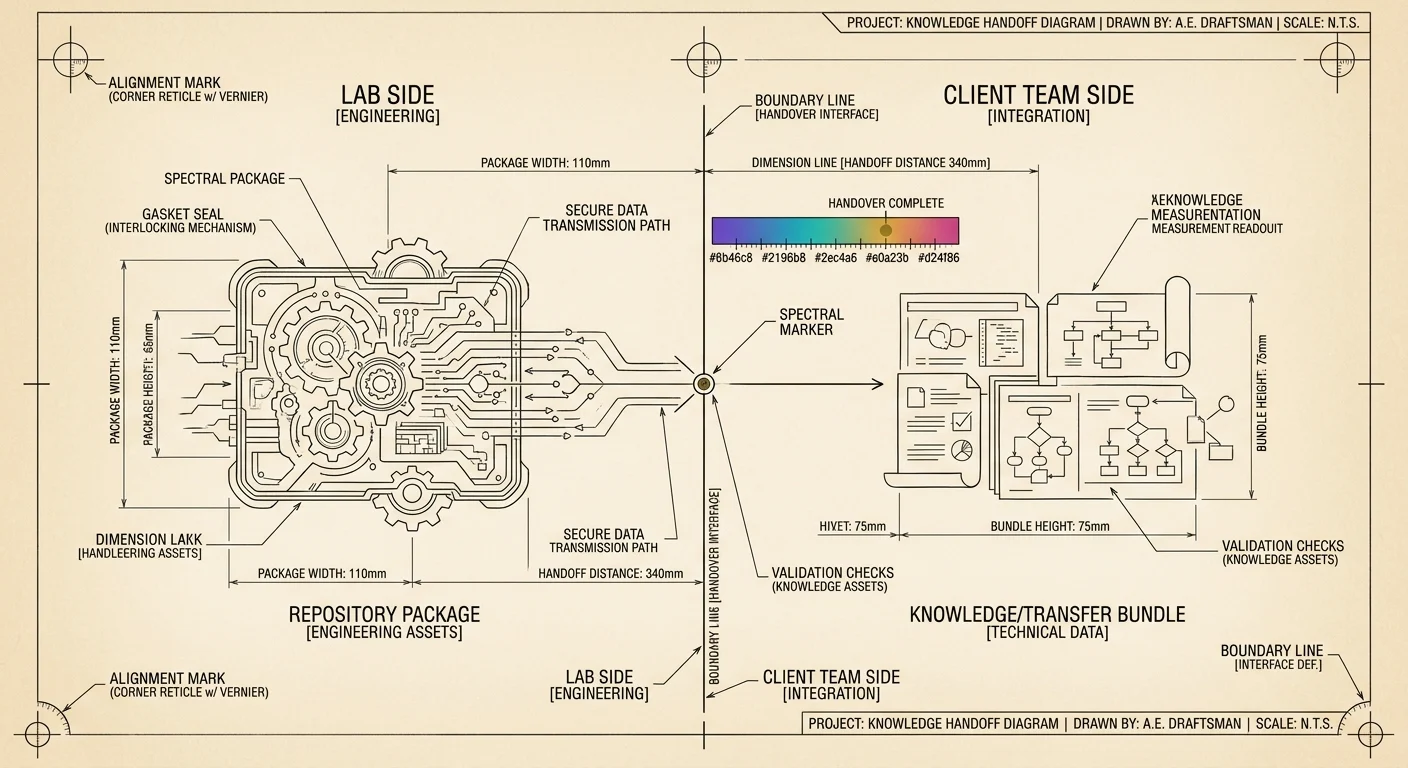
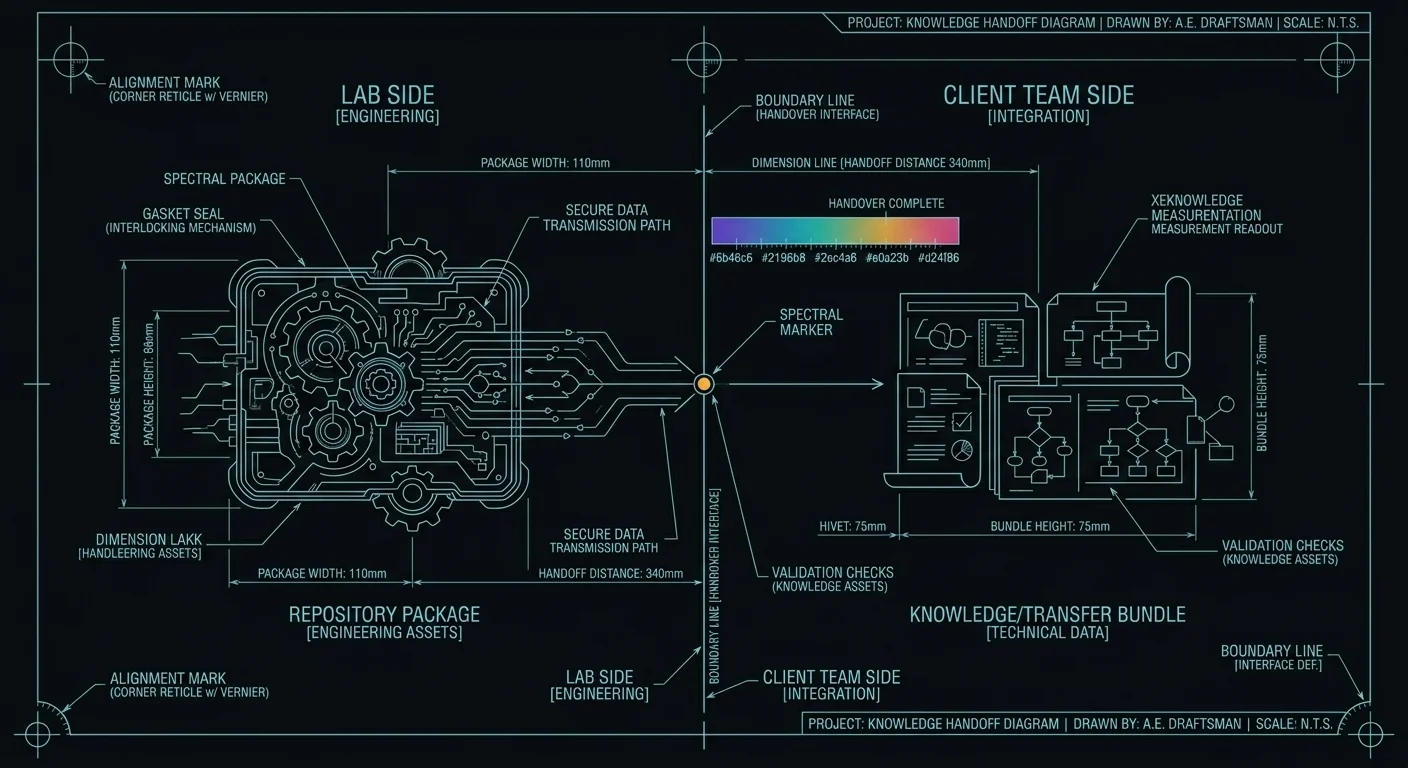
We designed a credit-intelligence layer that sits inside the bank's existing approval process rather than around it. It reads from source documents and systems of record, drafts the memo, and lands its outputs back in the bank's own systems — so the artifact bankers already trust is the artifact they keep using.
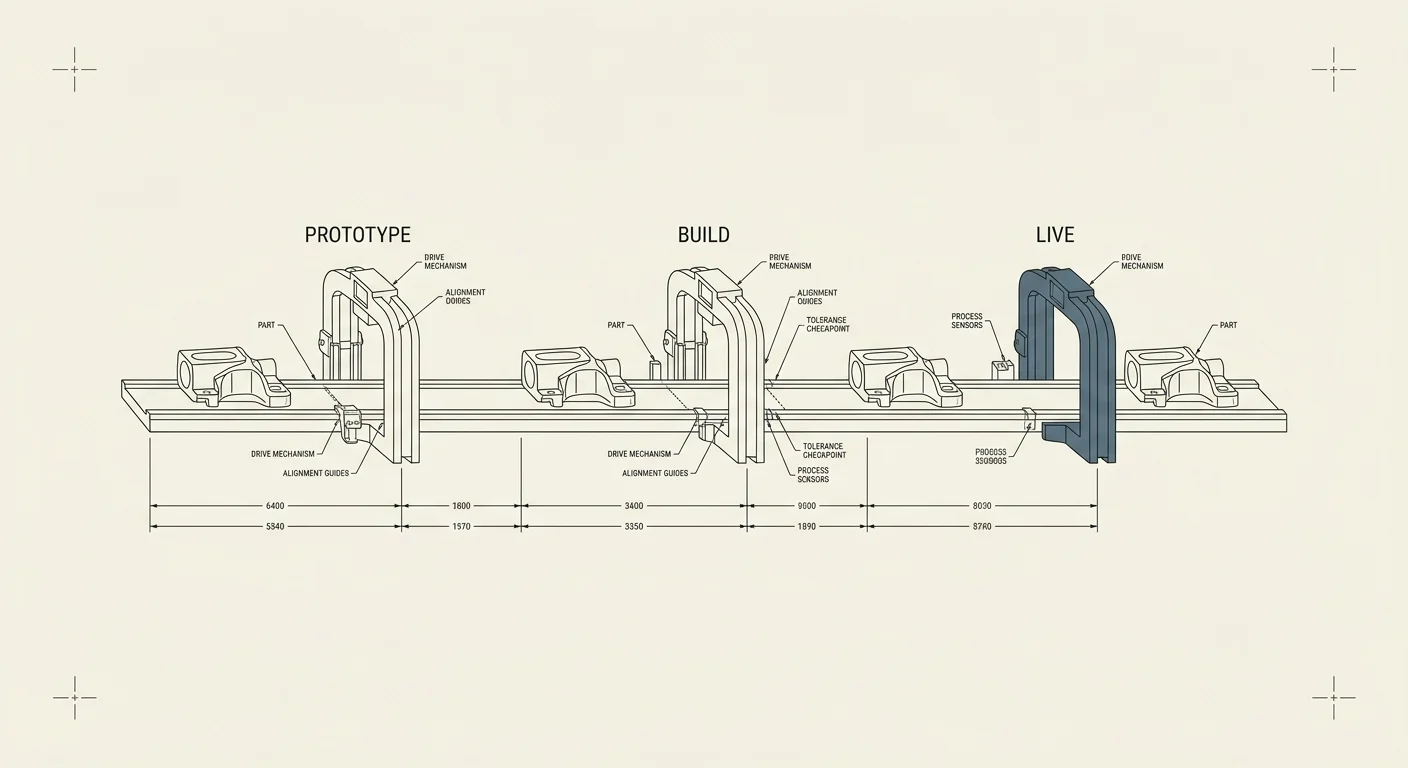
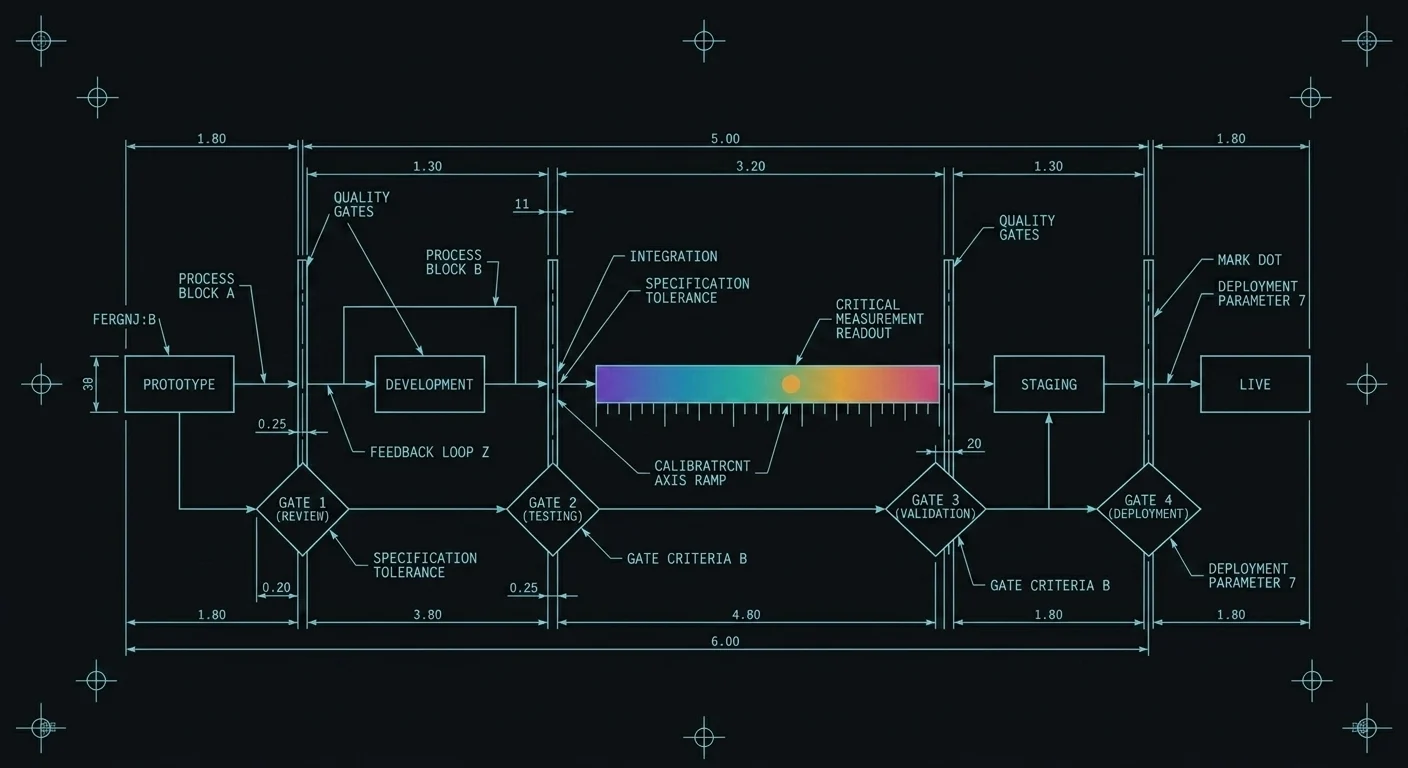
We sequenced delivery so value arrives early: the Loan Agreement Consistency Check first, the full memo automation following over the first ship. The point was never a flashy demo — it was a working deliverable bankers could lean on inside the workflow they already run.
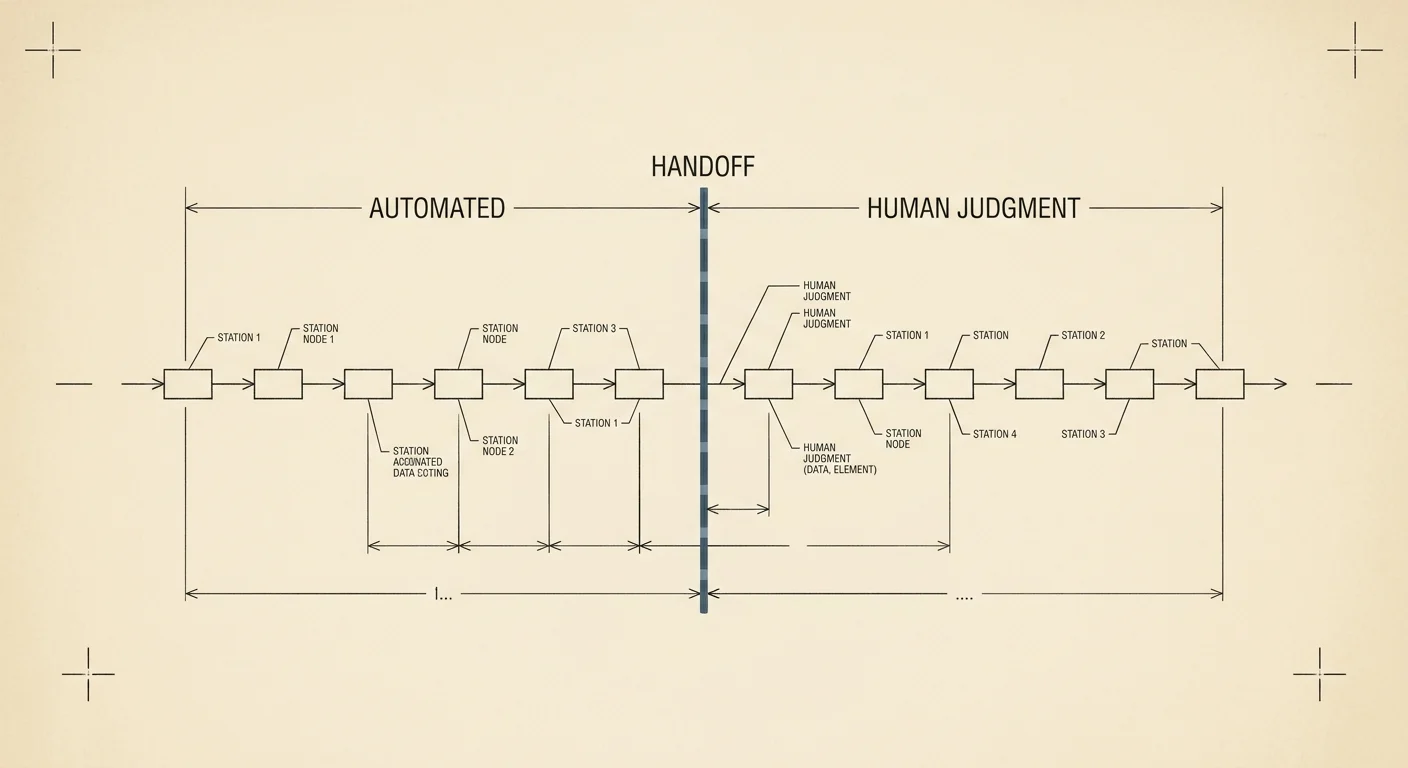
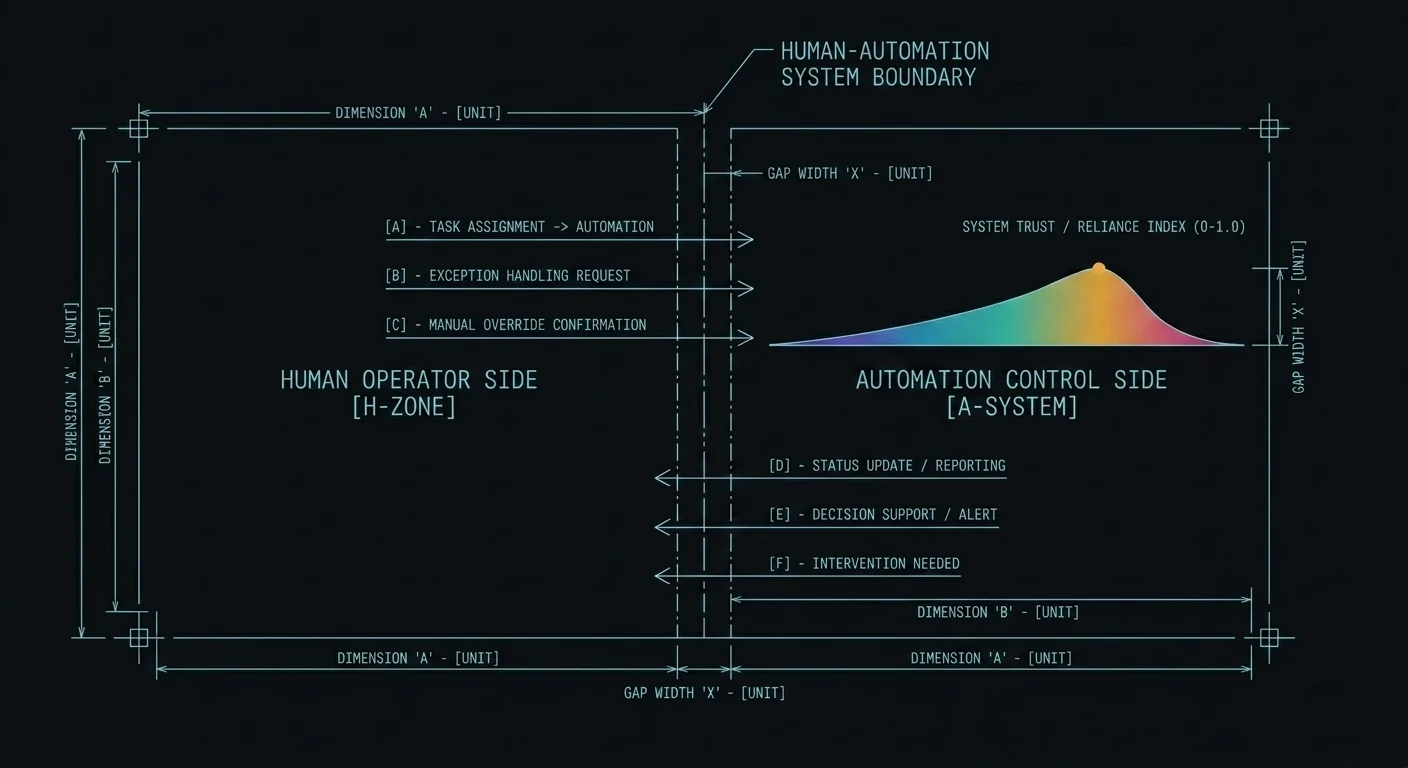
The system does the heavy mechanical work right up to the line where credit becomes judgment — and then hands off cleanly.
Drafts the twenty-two sections of the Credit Approval Memo from source documents and systems of record — each claim source-cited and traceable back to where it came from.
The Loan Agreement Consistency Check flags where executed terms diverge from what was approved — turning a slow, error-prone manual review into a bounded, repeatable pass.
Risk rating and relationship summary stay human — by the bank's requirement and because they should. The system never pretends to make those calls.
Certain sections of a credit memo are judgment, not assembly: the risk rating, the relationship summary. Those must stay human — both because the bank requires it and because they should.
So we had to design a system that does the mechanical work right up to that line and then hands off cleanly, with the human in the loop exactly where the judgment is, and never pretends otherwise. Getting that boundary right meant enforcing it in the data model, not just the UI — a section that is human-only is structurally incapable of being machine-decided, not merely styled to discourage it.

Directional outcomes, by agreement — but the shape of the win is clear: the mechanical work compresses, the judgment stays where it belongs, and growth stops being a hiring problem.
First working Loan Agreement Consistency Check.
Full 22-section memo workflow targeted for first ship.
Human-only judgment sections preserved structurally.
We find the points where leverage actually lives, automate the assembly, and keep the human at the judgment calls — on purpose, by design. Names and figures are withheld by agreement; we're happy to talk through any of this in more detail under NDA.