For most tasks, picking the strongest available model and routing everything through it is the right call — and we say so. But for high-stakes decision intelligence, where a wrong answer is expensive and confidence has to be earned, the single-model reflex leaves value on the table. A disagreement between two strong models is information you should not throw away.
This thread is about when orchestrating multiple frontier models beats using the best one alone — and how to combine them so the ensemble is genuinely more trustworthy rather than merely more expensive.

The reflex in applied AI is to pick the strongest model and route everything through it. For most tasks that is correct. But there is a class of problem — high-stakes decision intelligence, compliance, anything irreversible — where a wrong answer dwarfs the cost of extra inference, and where the system needs to report not just an answer but how much it should be trusted.
The precise question we have been working: when does orchestrating multiple frontier models beat using the best one alone, and how do you combine them so the ensemble is more trustworthy — not just a more expensive copy of a single opinion? The honest version of the answer includes the cases where the ensemble loses, and we make a point of telling clients which case they are in.
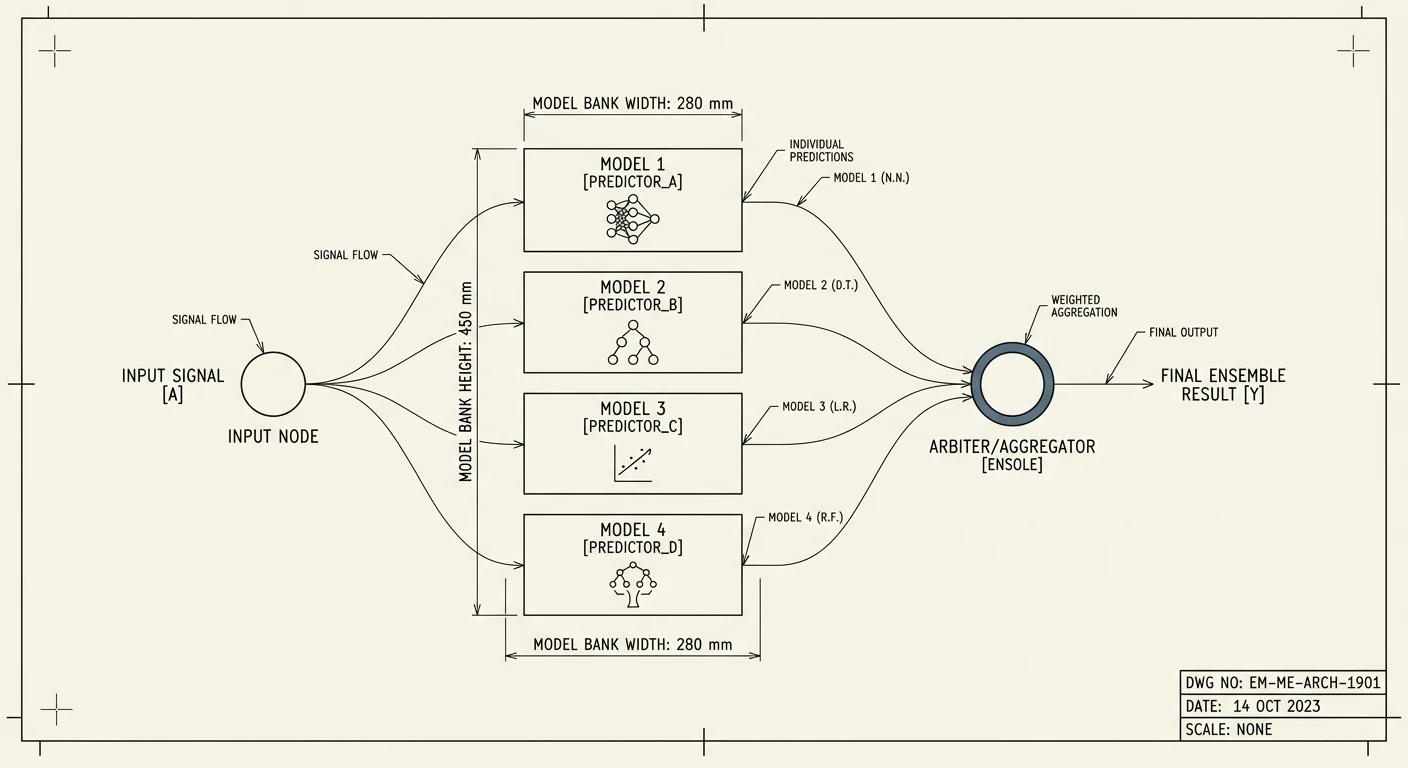
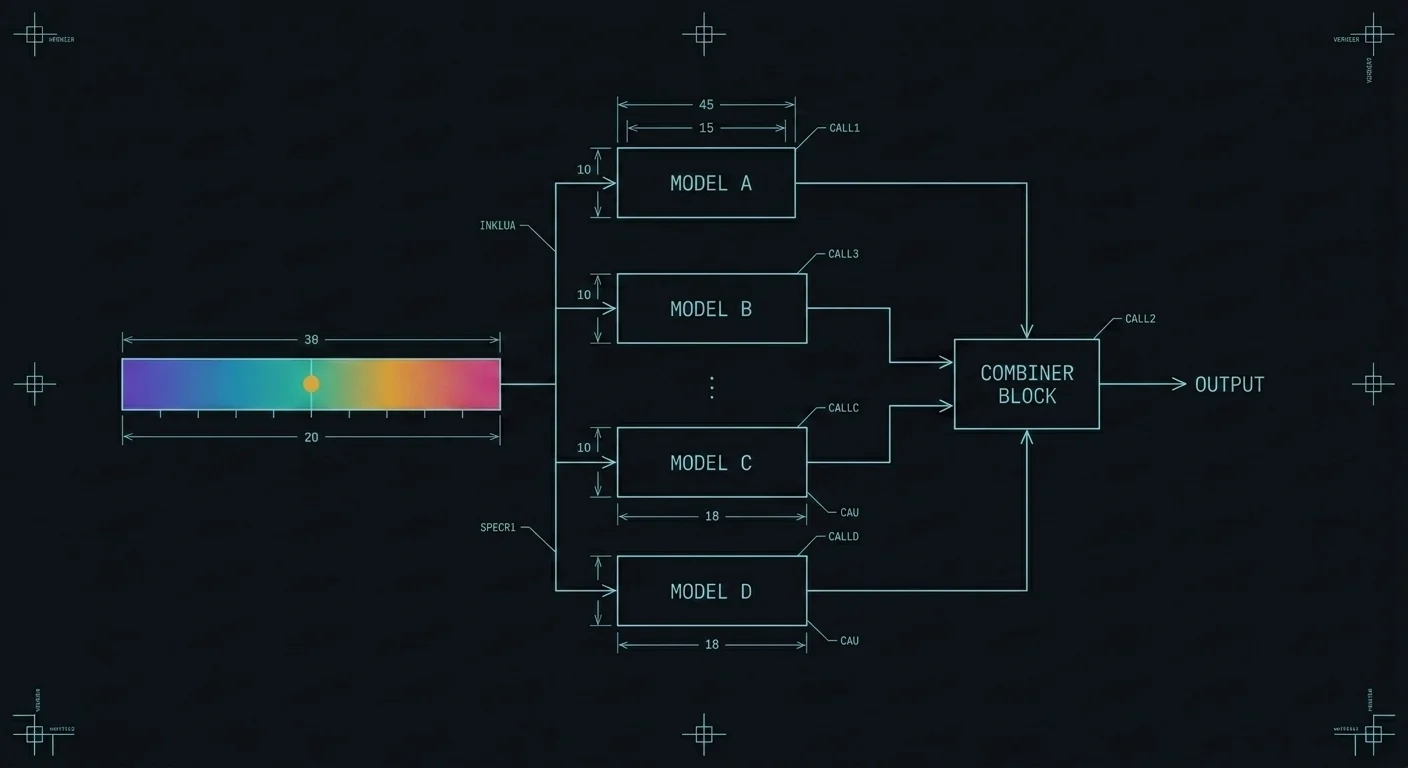
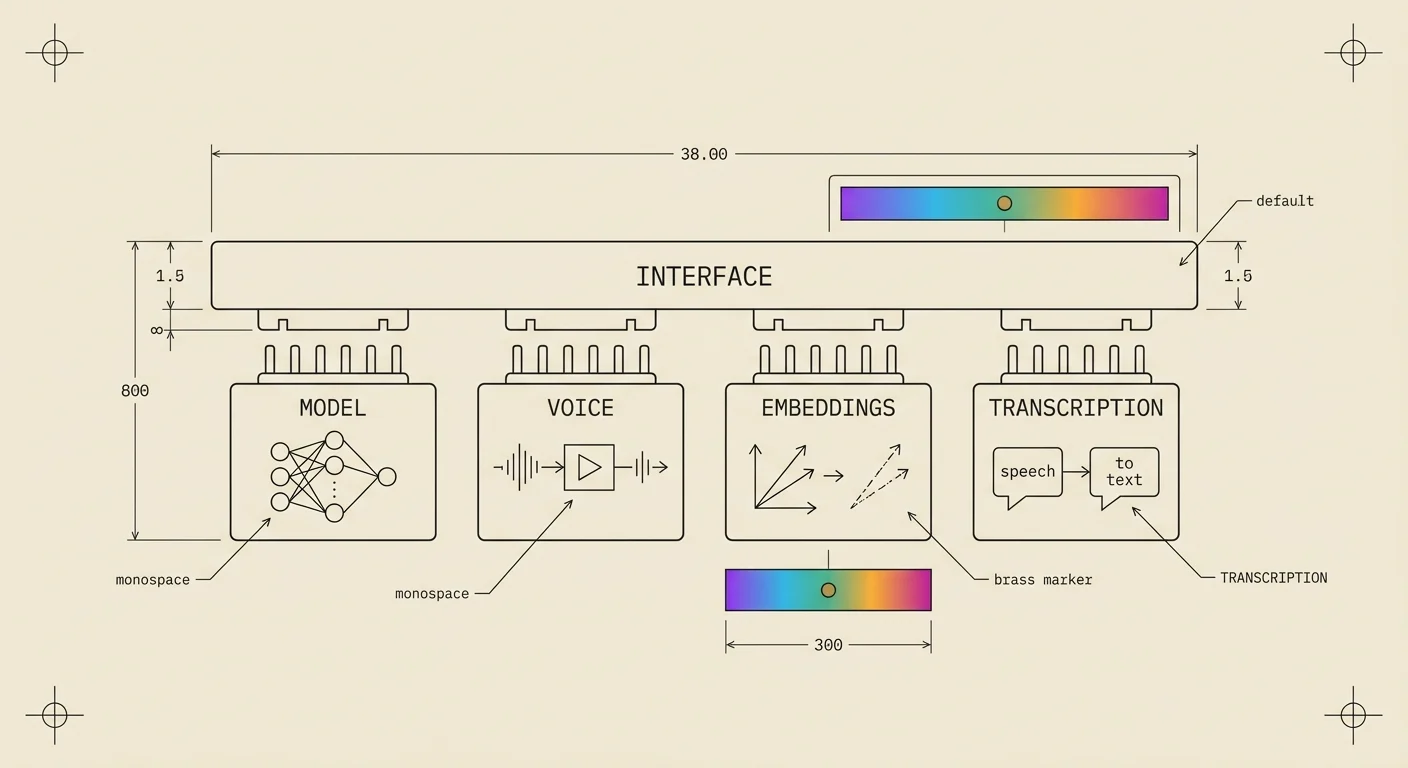
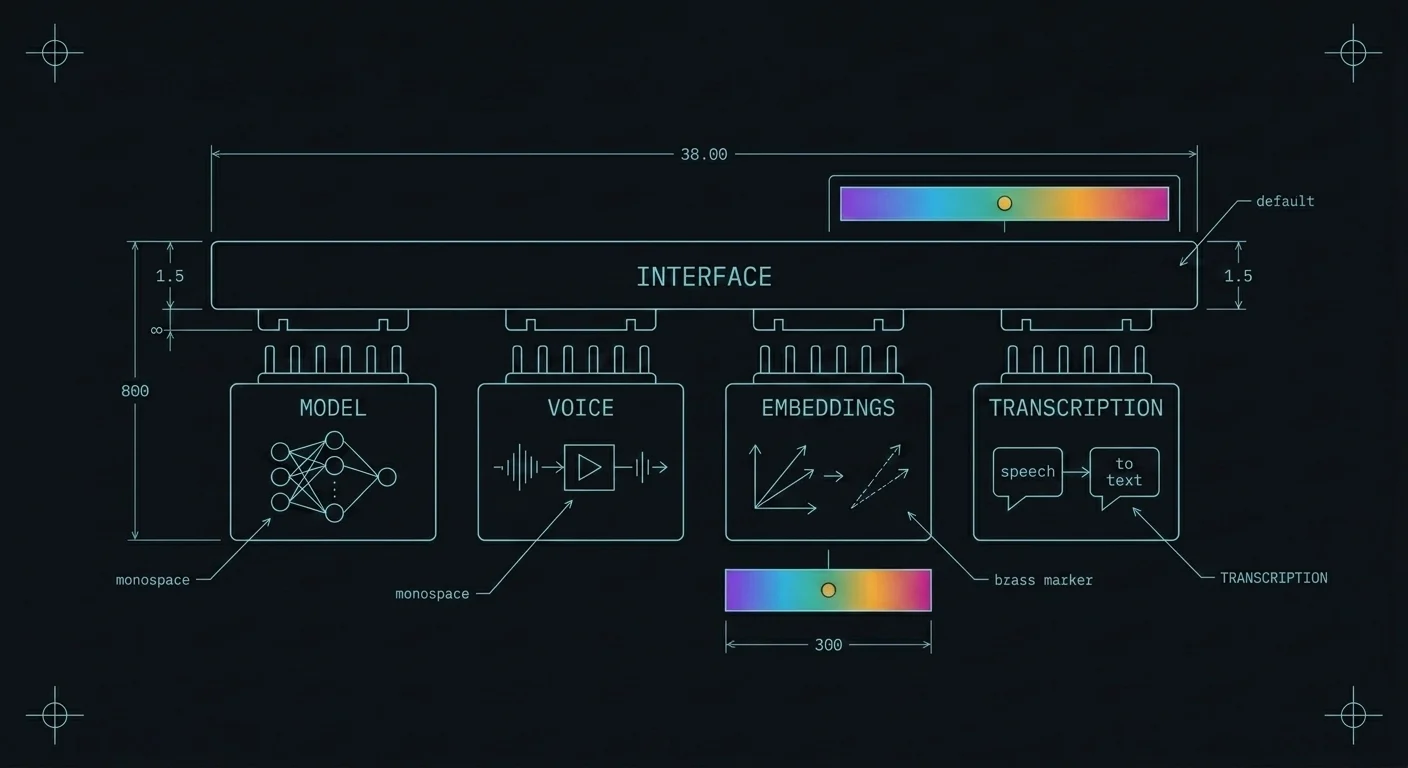
We work across the frontier — Claude, GPT, Gemini — not as interchangeable backends but as estimators with genuinely different failure modes. Three orchestration patterns do the work.
One model produces a claim or a draft; a different model is tasked specifically with verifying it against the source material. Because the models fail differently, the verifier catches errors the generator is systematically blind to. A confident fabrication one model emits is often exactly what another flags.
Rather than asking one model to do everything, we assign each stage to the model that is best at it: one to converse and orchestrate, another to re-rank or summarize, a third to verify. The composite pipeline outperforms any single model running the whole task — a shape we have shipped in production retrieval.
When two strong models converge, confidence is high and the system can act. When they diverge, that divergence is the most valuable output in the system — it marks exactly the cases that need a second pass, a different prompt, or a human. Treating agreement as a proxy for confidence is the single most useful idea in this thread.

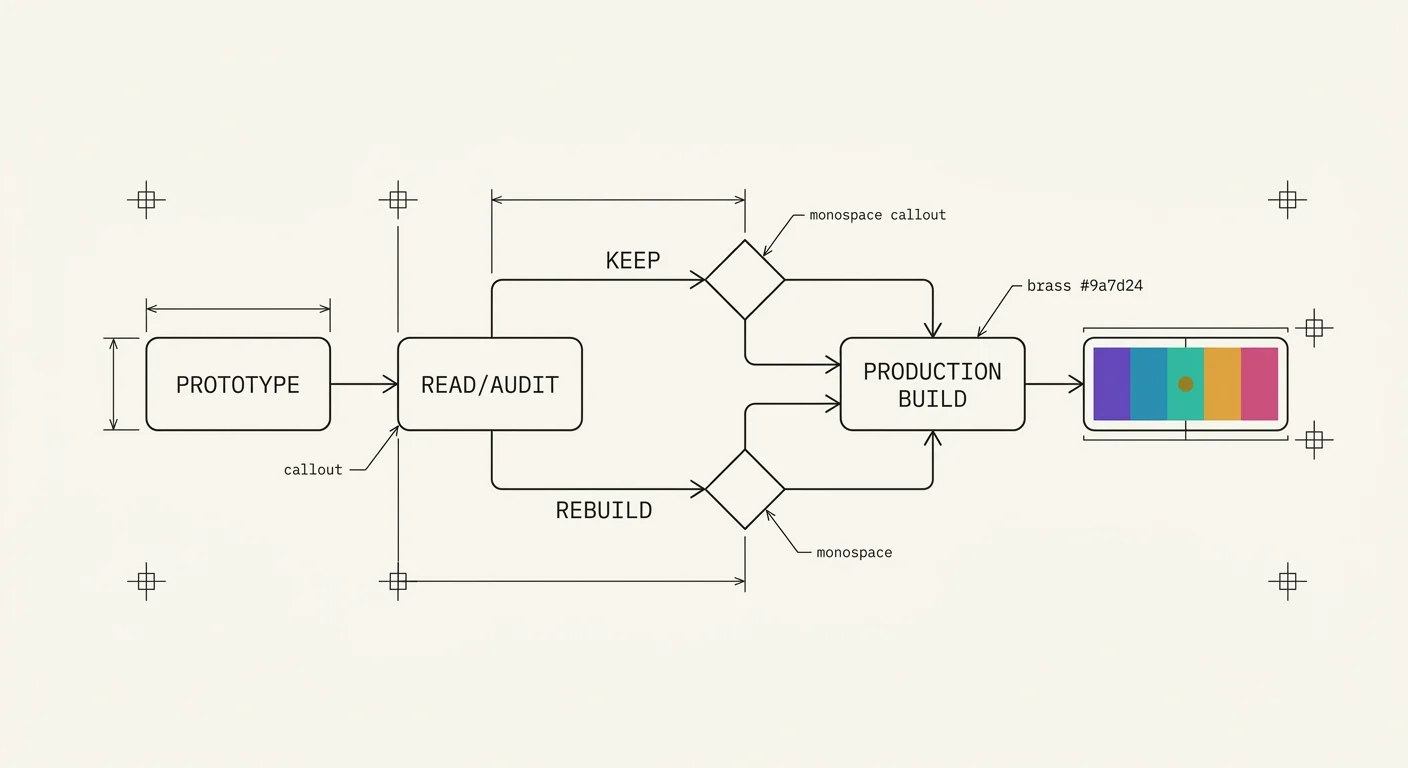
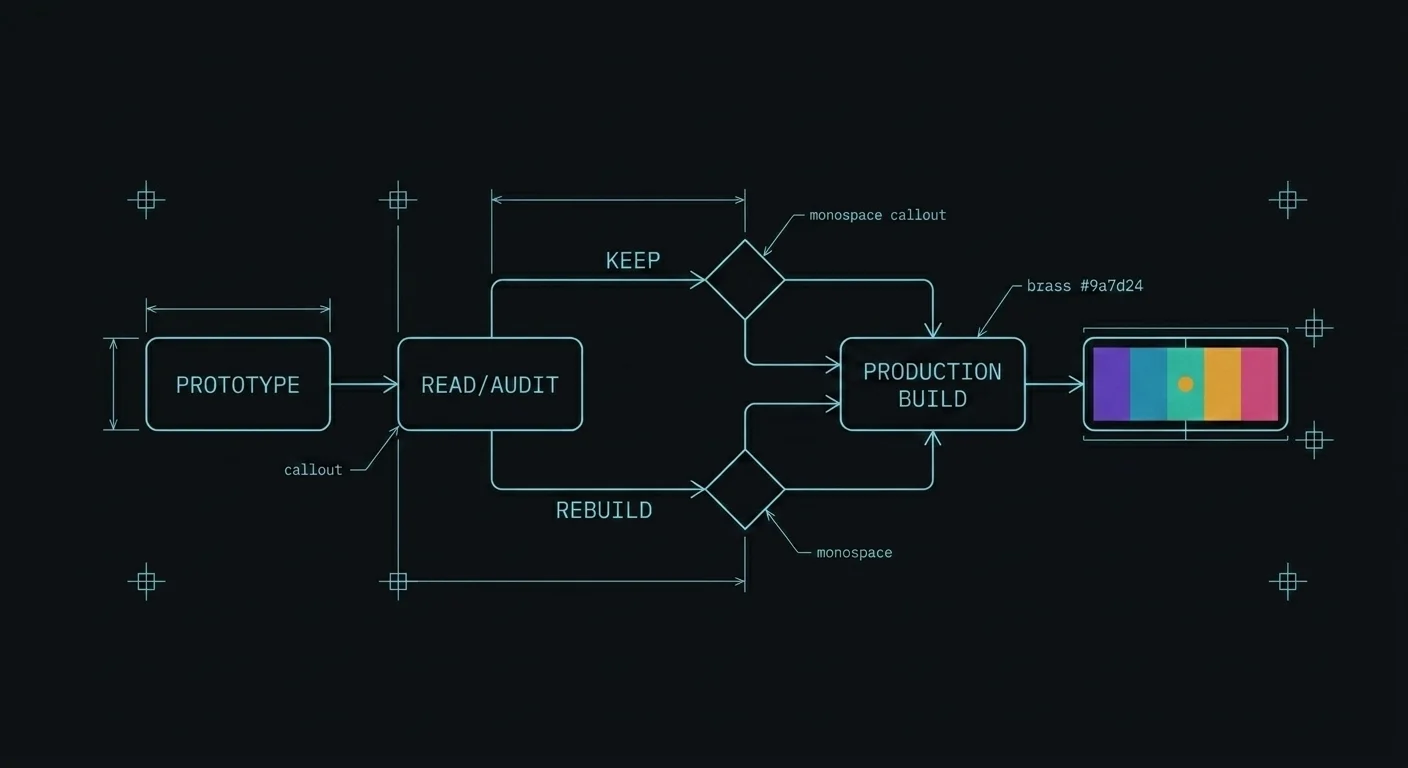
The architecture is deliberately plain: generate with one estimator, verify with another against the source, and use the agree / disagree edge to decide what happens next. The point is not to average opinions into mush — it is to know which knob to turn when they differ.
Latency or cost dominates. The task is easy enough that the best single model is already near-ceiling. Or the models' errors are correlated enough that a second opinion is just a more expensive copy of the first.
An ensemble of models that fail the same way buys you nothing. We say so to clients — and recommend the single strong model when that is the right answer.
The reason to run more than one frontier model is that they are different, not redundant. Pick models for uncorrelated failure modes, deliberately.
Verification is a better use of a second model than generation. Asking a second model to check beats asking it to also generate and then voting.
A system that knows when it is unsure — because its constituent models disagreed — is more deployable than a more accurate system that is always equally confident.
The patterns here are not theoretical — cross-model fact-checking and role-specialized pipelines run today inside production retrieval systems we have shipped. The next moves are about spending the extra models only where they pay for themselves: orchestrating adaptively, spending a second opinion only on the cases that warrant it, learning from historical disagreement where the second opinion actually changed the outcome, and pushing the disagreement-as-confidence signal into the interfaces decision-makers actually look at.
The through-line is the same one that runs across our work: tune to the right signal, and know which knob to turn when the signals disagree.
Cross-model verification shows up wherever a confident-but-wrong answer is expensive. It underwrites our autonomous-build practice — where independent verification is the whole game — and our content-ops pipelines, where agent-to-agent fact-checking guards what gets published. It pairs naturally with provider abstraction, so the right model can sit in each slot without a rewrite.