A long, intimidating form is where intake goes to die. Conversational Forms puts an AI assistant in front of it: the person fills the form by talking or chatting, and a structured form fills in behind the scenes — asking only what's relevant, clarifying as it goes, and falling back to a plain field view when that's the better tool.
For the people who own the form, a drag-and-drop builder authors the form and its logic; the conversational layer adapts automatically. No conversation is hand-written per form.

Complex intake forms, applications, and questionnaires have high abandonment. People stall on jargon, can't tell which fields apply to them, and give up — yet the organisation needs the structured data the form collects.
The right move isn't to drop the form. It's to keep the structured form the system depends on and replace the interface in front of it: tune to the signal the person can actually give, instead of forcing them through every field.
The assistant keeps a partially-filled structured form in sync with a free-flowing dialogue: mapping what the user says onto the right fields, tracking what's still missing, and deciding what to ask next. Validation and completeness live in the form schema — the conversation is just the interface over it.
The user talks or chats. The assistant asks only what's relevant, clarifies as it goes, and supports both guest sessions and accounts.
Dialogue maps onto the structured schema in real time. The system tracks what's filled, what's missing, and what to ask next — completeness lives in the form, not the prompt.
When a plain field beats a conversation, the assistant switches to it gracefully. Knowing which knob to turn — chat or field — is a deliberate UX decision baked in.

An admin designs the form and its logic in a drag-and-drop builder; the conversational behaviour is generated from that definition rather than written per form. That's what makes it a product instead of a one-off — and it folds in intake and form optimization, improving completion and data quality, not just digitising the form.
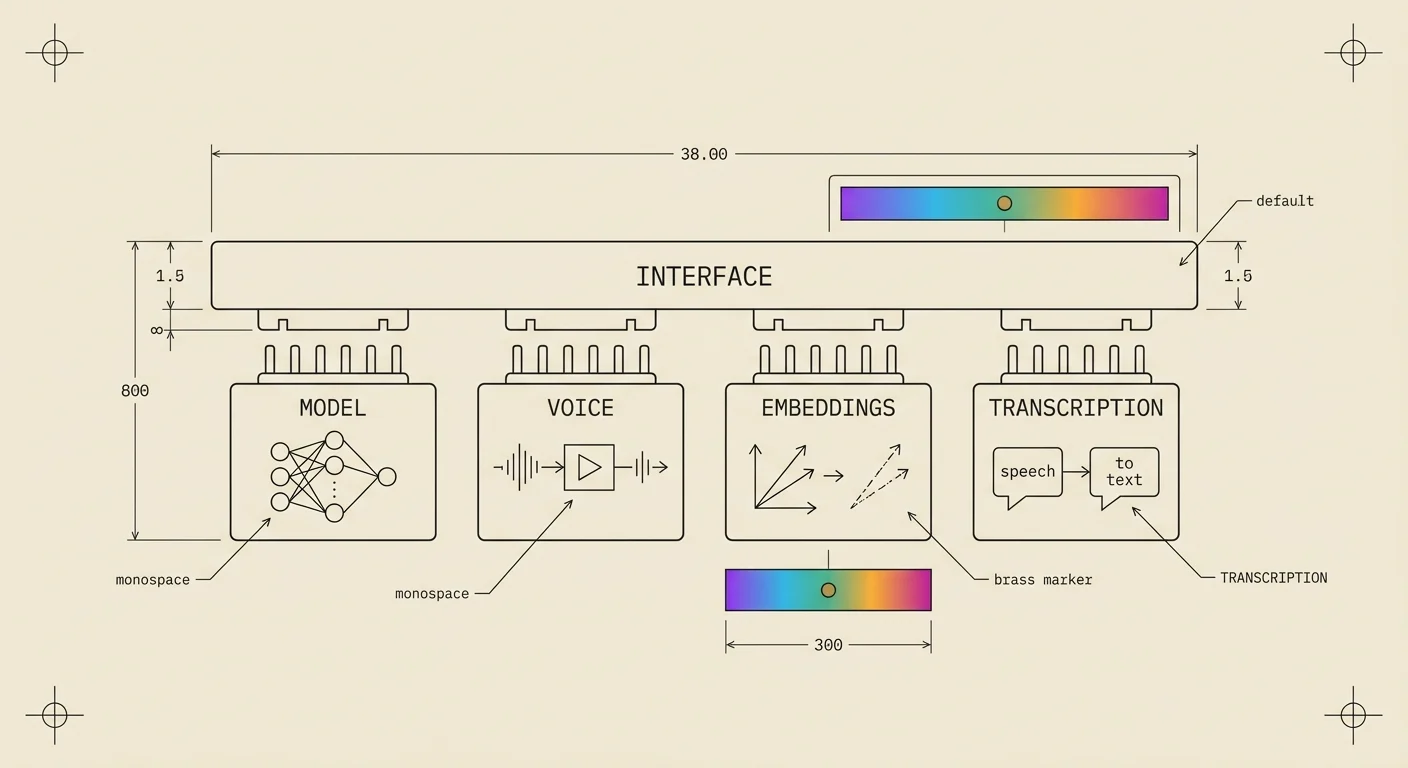
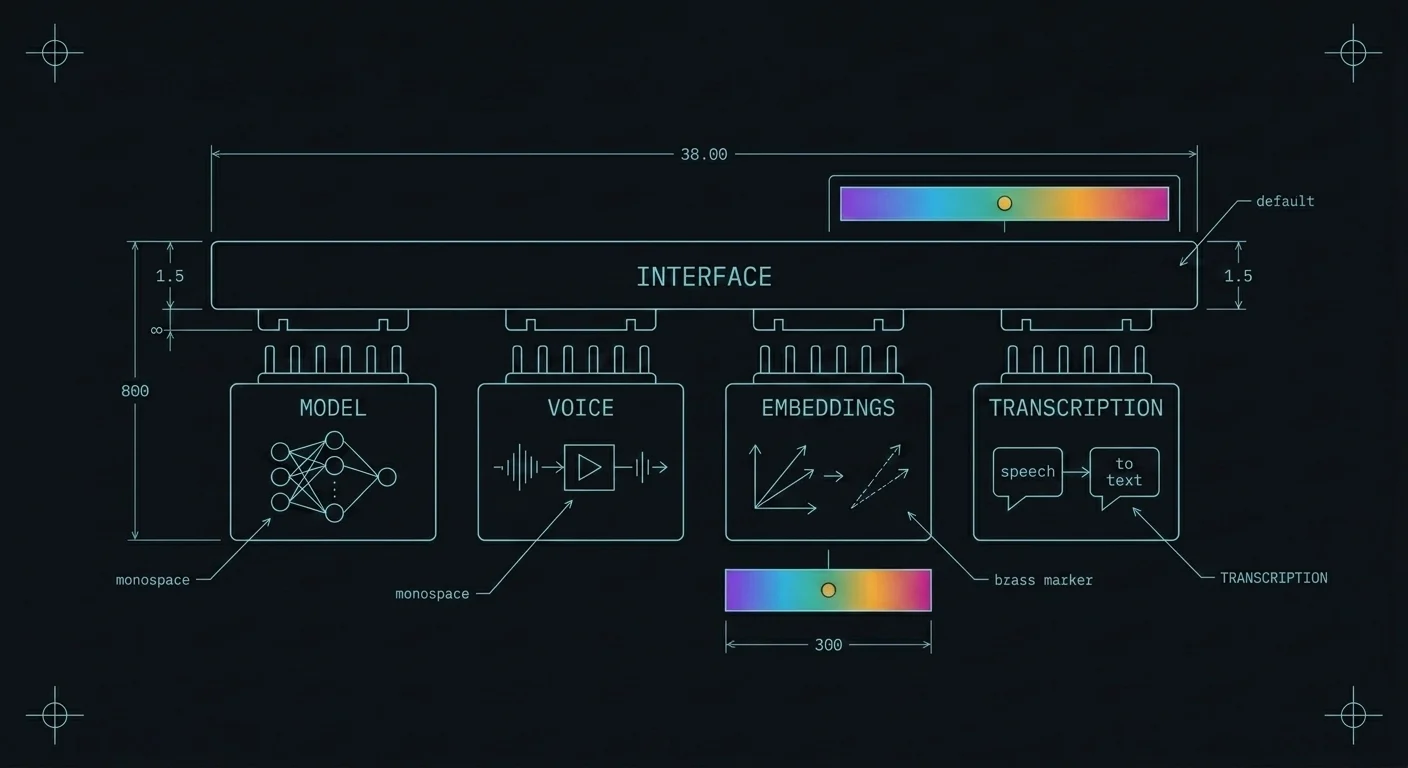
Voice in and out runs through more than one specialist provider — a realtime voice path plus a specialist text-to-speech provider — behind a clean interface, so quality and uptime don't ride on a single vendor.
Horizontal — any high-friction intake. Applications, questionnaires, onboarding, eligibility and interview-style intake where abandonment is high and the structured data still has to land cleanly in the system behind it.
Bring the intake form that's costing you completions. We'll show you what it looks like as a conversation — with the structured data still landing exactly where your system needs it.