Omnilogic Labs

PRODUCT // CONTENT-AGENTS

An autonomous content fleet that knows what it has already said.

Content Agents is a fleet of multi-agent pipelines that research, write, illustrate, and publish directly to a live CMS on a cadence — no human in the loop for routine runs. The hard part is not generating words. It is staying original across a long run: semantic deduplication so the fleet never re-publishes the same idea under a new title, and agent-to-agent fact-checking so quality control is part of the pipeline, not a final human gate.

This is the difference between a content engine and a spam cannon.

AUTONOMOUSMULTI-AGENTSEMANTIC-DEDUPLIVE
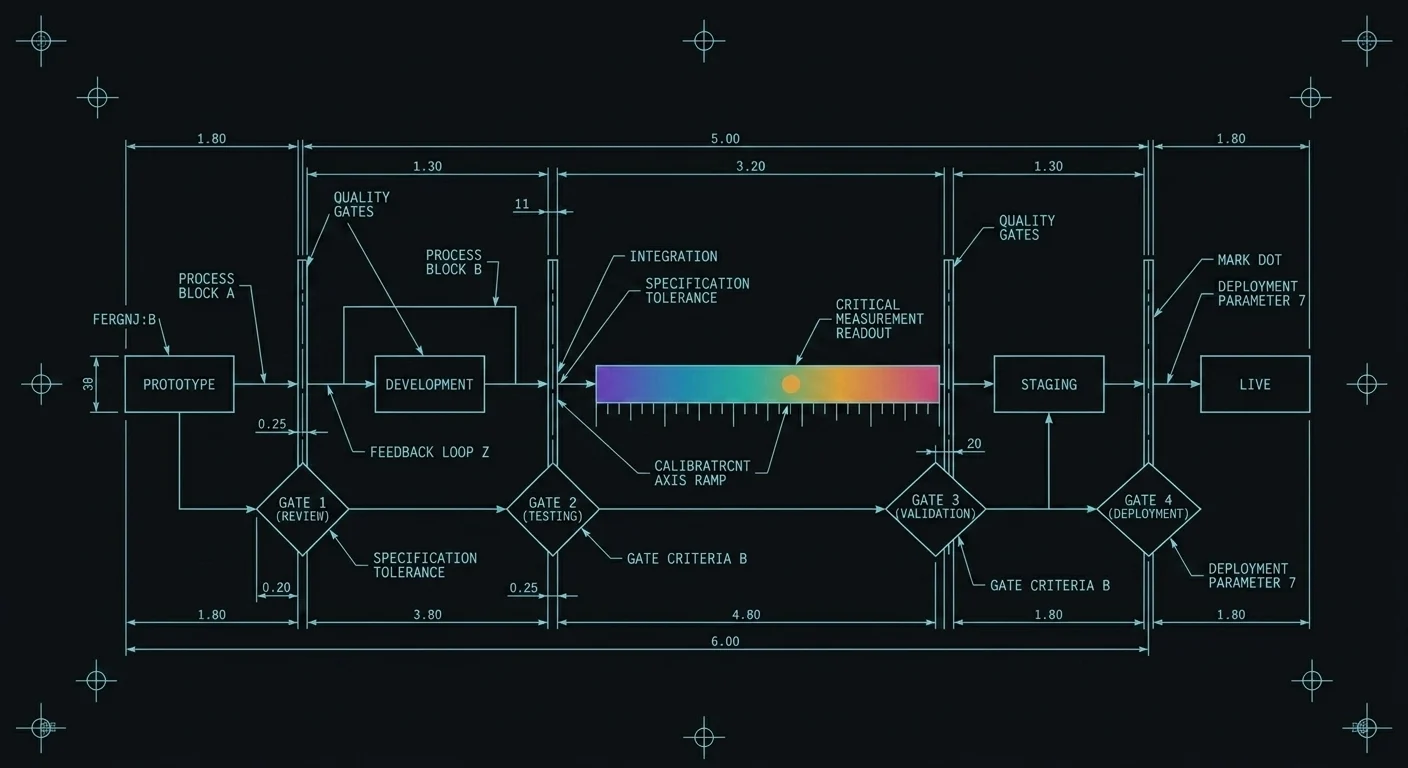
FIG. CONTENT_PIPELINE
REF: PROD-CA-00A linear content pipeline: research feeding generation, imagery, and direct publishing to a live CMS
01 // What it is

A content operation that runs unattended.

Each agent picks a topic from a managed queue, researches and generates an article in a defined editorial persona, sources hero and inline imagery, adds required disclosures, and publishes directly to a production CMS over its API — on a schedule, no human in the loop for routine runs.

The fleet spans formats from one content backbone: long-form articles, social carousels, and short-form video pipelines. Each agent writes to a specific voice and brand design system, so output stays coherent across a long run.

REF: CA-FMT-01
article

Long-form articles

Researched, persona-written, illustrated, and published — the editorial backbone of the fleet.

REF: CA-FMT-02
view_carousel

Social carousels

A sibling pipeline that turns the same content spine into multi-panel social formats.

REF: CA-FMT-03
movie

Short-form video

A video-pipeline sibling, driven from the same managed queue and editorial persona.

02 // Who it is for

Content marketing demands a steady, original output most teams can't sustain by hand. Hiring it out is expensive and slow; naive automation drifts off-brand and quietly re-publishes the same ideas under different titles.

Content Agents is for teams that need a publishing cadence they can trust to run on its own — and that care that what goes out stays original, on-brand, and on-topic. It runs horizontally across verticals; deployed instances span fields such as travel and health/nutrition publishing.

  • Teams that need original output on a reliable cadence without a body of writers
  • Publishers running multiple properties or languages from one editorial backbone
  • Brands where off-brand drift or duplicate posts would quietly erode trust
  • Operators who want imagery, disclosures, and publishing handled end to end
REF: CA-PROFILE
// DEPLOYMENT PROFILE
MODEL: HORIZONTAL CONTENT-OPS // VERTICAL-AGNOSTIC
CADENCE: SCHEDULED, UNATTENDED ROUTINE RUNS
FORMATS: ARTICLES // CAROUSELS // SHORT-FORM VIDEO
LANGUAGES: MULTILINGUAL // PER-PERSONA VOICE

03 // How it works

From a linear pipeline to a collaborative agent mesh.

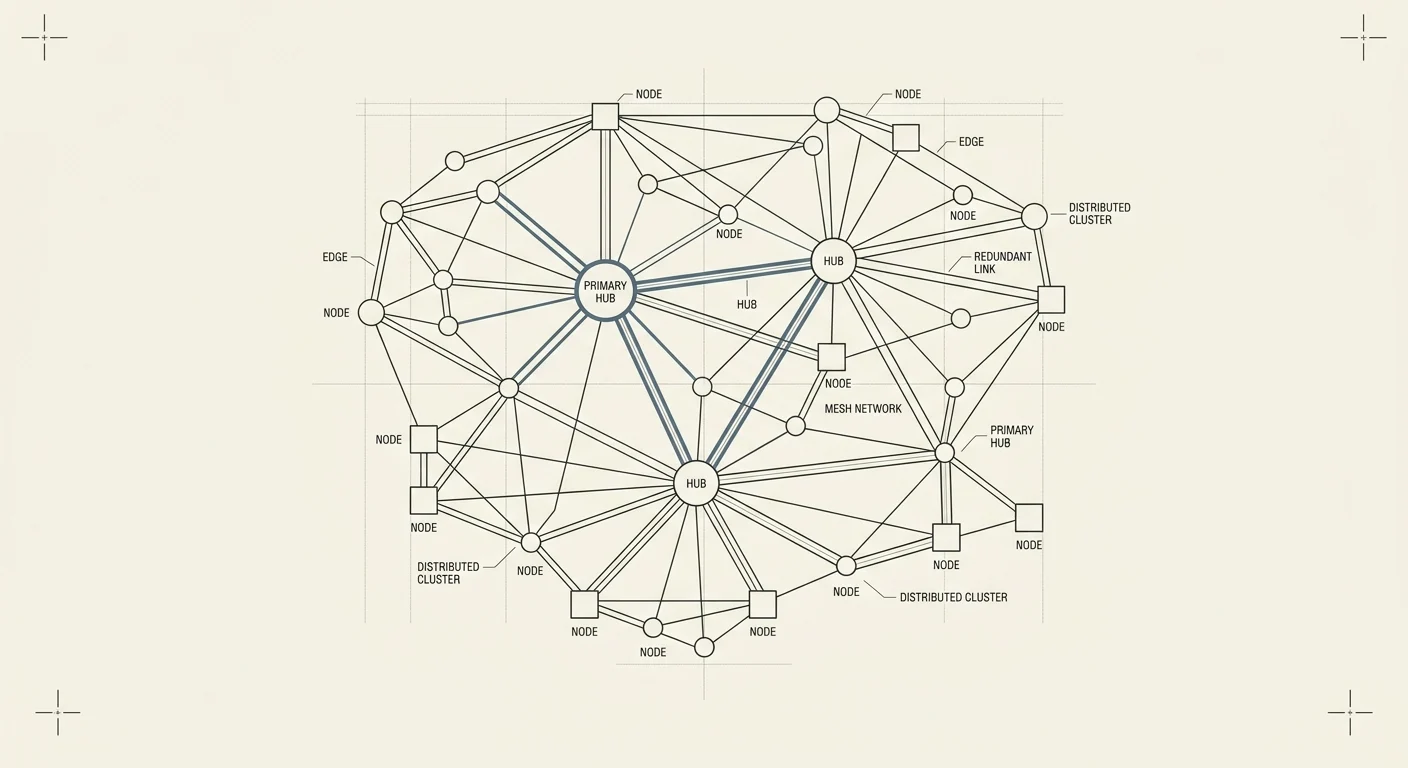
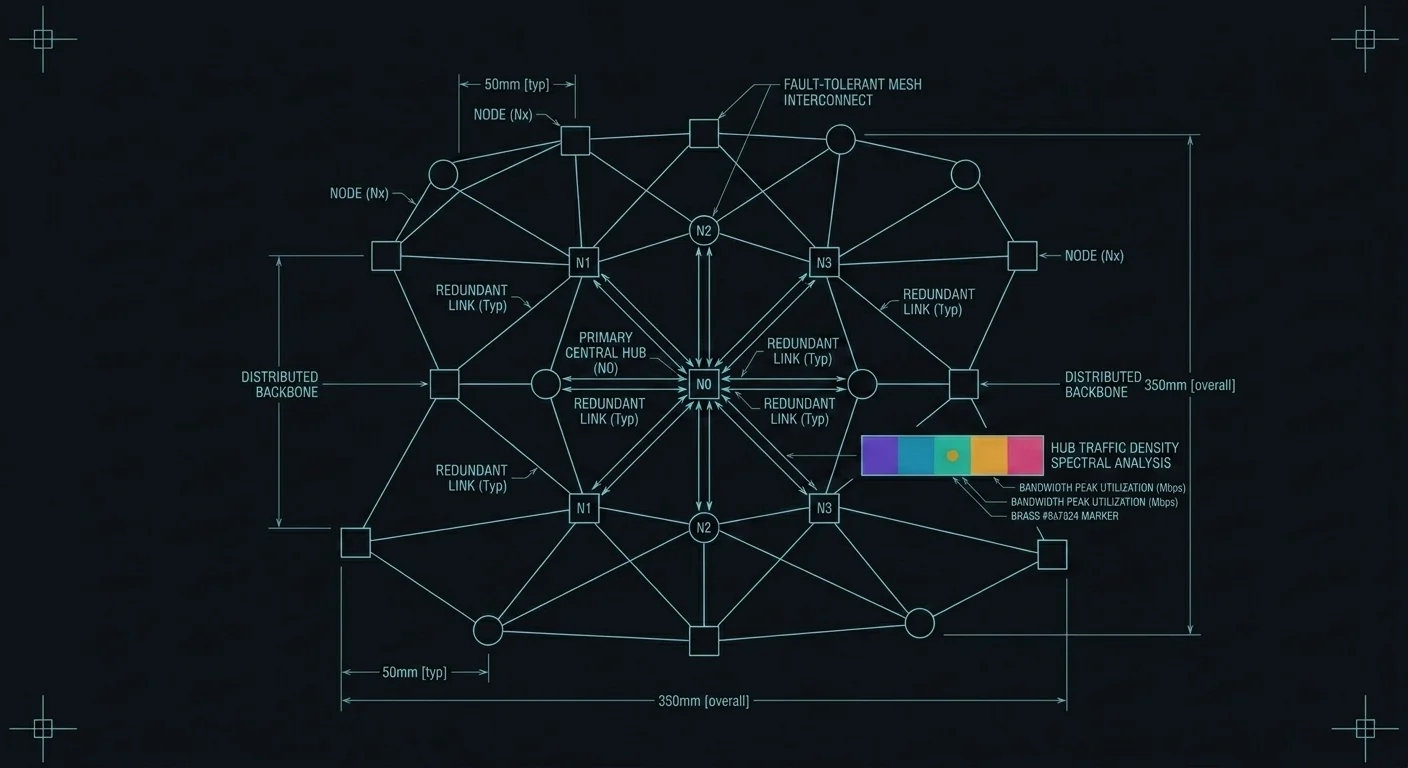
Architecturally the fleet ranges from a straightforward linear pipeline to a more advanced multi-agent mesh. The simple form runs research → generate → image → publish. The advanced form splits the work across specialised agents — source monitoring, analysis, generation, validation, publishing — that communicate agent-to-agent, cross-checking each other's work for factual quality before anything goes live.

STEP 01 // RESEARCH

Pick a topic from the managed queue and research it in a defined editorial persona.

STEP 02 // GENERATE

Write to voice and brand, checking each piece against everything already published.

STEP 03 // ILLUSTRATE

Source hero and inline imagery via a stock → AI-generation fallback ladder; add required disclosures.

STEP 04 // PUBLISH

Push live to a production CMS over its API on a cron-driven schedule — containerized, unattended.

FIG. AGENT_MESH
REF: PROD-CA-01A mesh of specialised agents communicating agent-to-agent, cross-checking each other's work

04 // The clever part

Knowing which knob to turn — and what you've already said.

REF: CA-EDGE-01
deduplicate

Semantic deduplication

Each piece is embedded and checked against the history of what's already been published, so the fleet doesn't churn out near-duplicate posts as the topic queue cycles. This is the line between a content engine and a spam cannon.

EMBEDDINGS + TOPIC/IMAGE TRACKING
REF: CA-EDGE-02
fact_check

Agent-to-agent fact-checking

In the advanced configuration, agents talk to each other bidirectionally — a validation agent can push back on a generation agent. Quality control is part of the pipeline rather than a final human gate.

BIDIRECTIONAL VALIDATION // PRE-PUBLISH
REF: CA-EDGE-03
cloud_upload

Direct, unattended CMS publishing

Posts go live programmatically into a production CMS via its API, with image sourcing and required disclosures handled automatically — no copy-paste step, no manual upload.

REF: CA-EDGE-04
brush

Persona and brand consistency

Each agent writes in a specific editorial voice and to a brand design system, so output is coherent across a long run — tuned to the right signal, not drifting off-brand over time.

05 // Stack & status

Live, running on a cadence.

Content Agents is in production, running on a cadence — both for the lab's own properties and in content-operations engagements built with clients across different verticals. We treat it as our own working practice first, then deploy it for teams who need the same discipline.

STATUS: LIVECRON-DRIVENCONTAINERIZED
REF: CA-STACK
// TECH
RUNTIME: PYTHON AGENTS // CLAUDE + OTHER LLMS
DEDUP: EMBEDDINGS + TOPIC/IMAGE TRACKING
IMAGERY: STOCK → AI-GENERATION FALLBACK LADDER
PUBLISH: DIRECT CMS API // CRON SCHEDULING
MESH: AGENT-TO-AGENT PROTOCOL (ADVANCED TIER)

Sibling pipelines handle social carousels and video from the same content backbone.

// NEXT

Put a content fleet to work — without the spam.

Tell us the cadence, the voice, and the topics that matter. We'll stand up a fleet that researches, writes, illustrates, and publishes on its own — and knows which knob to turn to stay original and on-brand.